

1.25-430 aluminum roof construction process
Construction preparation → Structural review and measurement → Purlin pallet installation → Galvanized purlin installation → Roof base plate installation → Galvanized leveling steel strip installation → Noise reduction wire mesh installation → Stainless steel fastener installation → Roof panel transportation and installation → Roof edge closing , Flooding treatment → Roof cleaning → Completion.
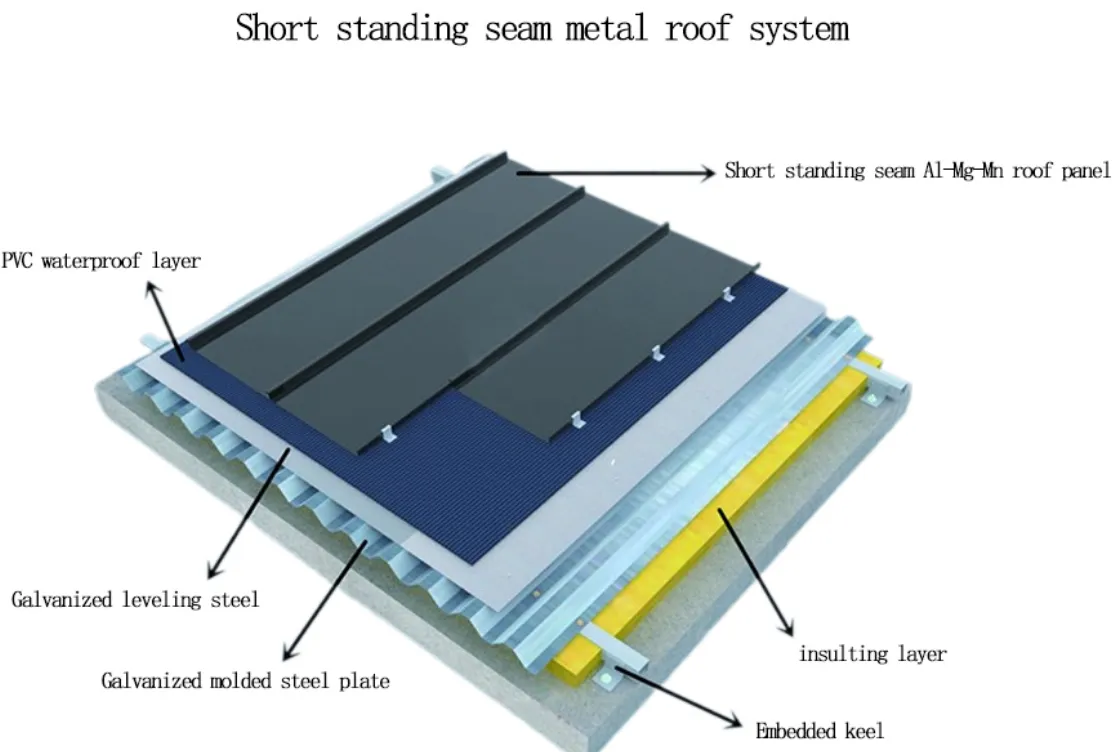
2. Roof structure and main materials (top to bottom):
1) Panel layer: aluminum magnesium manganese plate, stainless steel connecting fasteners
Leveling layer: galvanized steel plate leveling steel strip
Support layer: 35-125-750 galvanized steel plate
Purlin: 80mmx120mmxthickness3.0mm galvanized square steel purlin spacing 1200mm,
(Galvanized square steel requires anti-rust treatment at the welding position)
Bottom layer: 15-225-900 galvanized steel plate
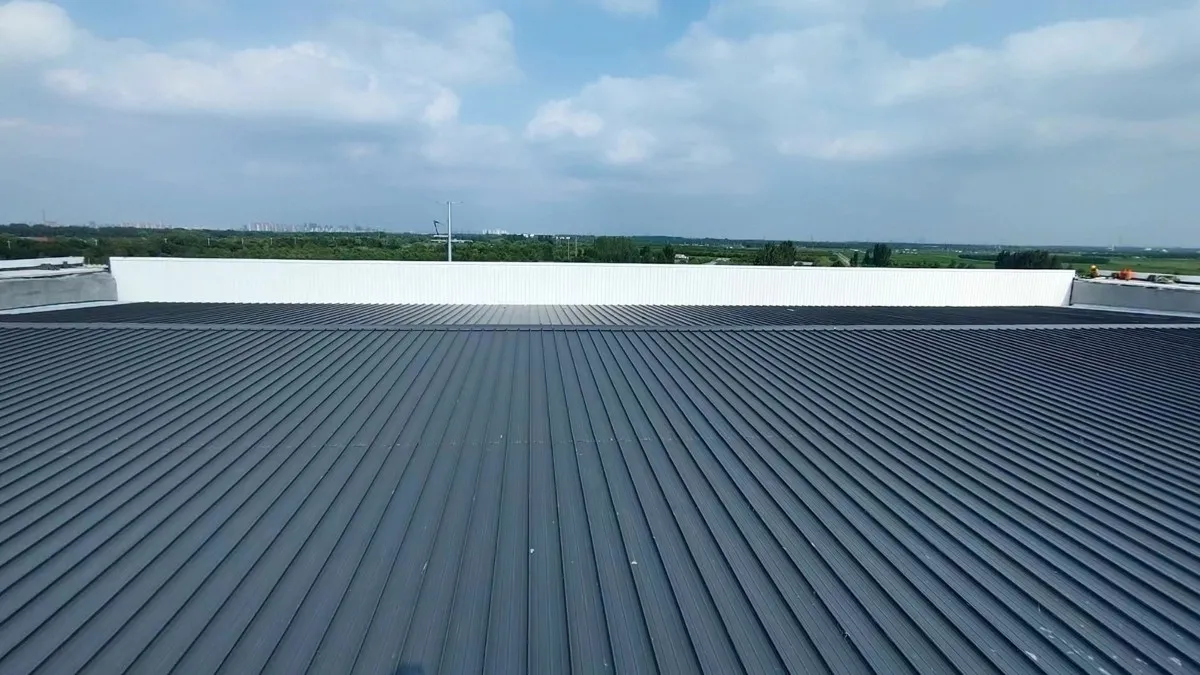
2) Specific installation and construction methods of metal roof panels
① The contact surfaces of the square steel pipe purlin and the purlin support are welded on three sides. After the welding is completed, the welding seam is cleaned of welding slag and treated with anti-rust paint for anti-corrosion.
②Installation of galvanized profiled steel plate/local leveling steel strip: The horizontal overlap is 50mm, and M5*25 drill tail bolts are used to fix it on the galvanized square steel purlin.
③Panel installation: Panel installation is an important construction link for metal roofs, which is directly related to the final effect of the metal roof. The most critical point is the installation of stainless steel fasteners. Stainless steel fasteners are the fixing seats of the roof system and are the key to winding the roof. The load is transmitted to the force-bearing accessories of the auxiliary sandals, and its installation quality directly affects the wind resistance performance of the roof panels; the installation of stainless steel fasteners will also affect the longitudinal free expansion and contraction of the roof panels. Therefore, the installation of stainless steel fasteners becomes the key to this project. Key processes.
The installation of stainless steel fasteners mainly includes the following construction steps:
① Pay off:
Use a theodolite to guide the axis to the noise reduction screen as the longitudinal control line for stainless steel fastener installation. The aluminum roof panels are installed longitudinally, and the fastening position is also longitudinal. The wiring should be parallel from the middle position to both sides according to the design drawing. The spacing between this roof panel is 430mm.
The number of stainless steel fasteners determines the wind resistance of the roof panel. The number of rows along the length of the panel is determined by factors such as the height of the building, roof slope, different locations and windward directions, and the most unfavorable load (roof corners and edge areas), especially The corners and edges are particularly important.
②Install stainless steel fasteners:
After the position is determined, use rivets to fix the fasteners on the base leveling steel plate strip.
③Recheck the installation of stainless steel fasteners:
If you find that the stainless steel fasteners are not securely installed, take them out and move them before tightening them. The longitudinal spacing between fasteners shall not be greater than 600mm according to design requirements.
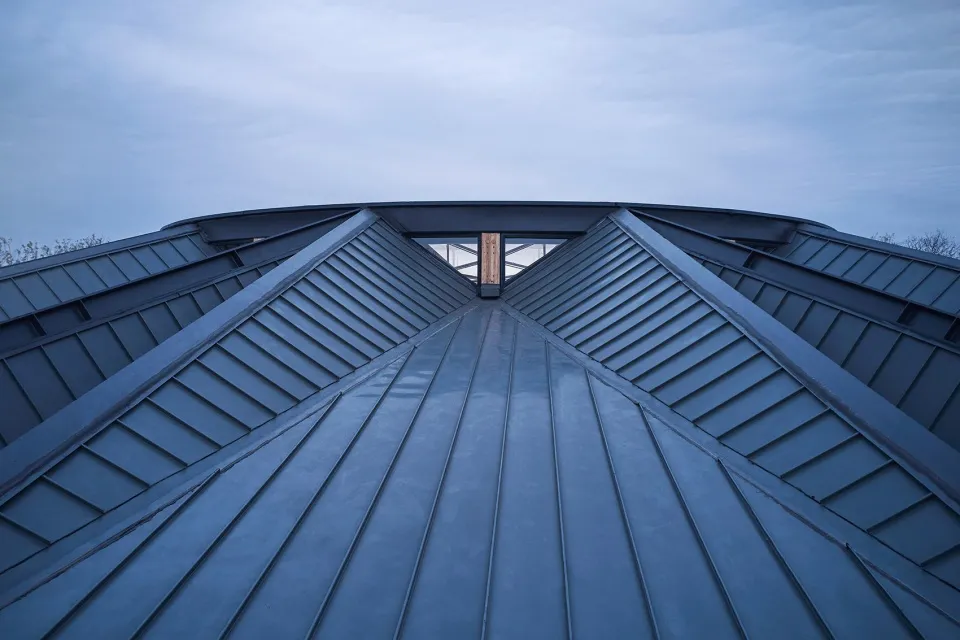
3. Cornice accessories and connecting plates.
The material of the cornice accessories is the same material as the roof panel, and the material of the connecting plate is galvanized steel plate; its processing size must be determined according to the standard size measured on site.
The installation sequence is connecting plate, accessories, and panel.
There must be overlaps between connecting plates, and the overlap joints must be staggered with the accessory joints.
The connecting plate is fixed on the base layer through rivets, and the accessories and the connecting plate are fastened by buckles.
When installing accessories, you must ensure that the gaps between the accessories are smooth, the lower edge is straight, and the overall look and feel is good.
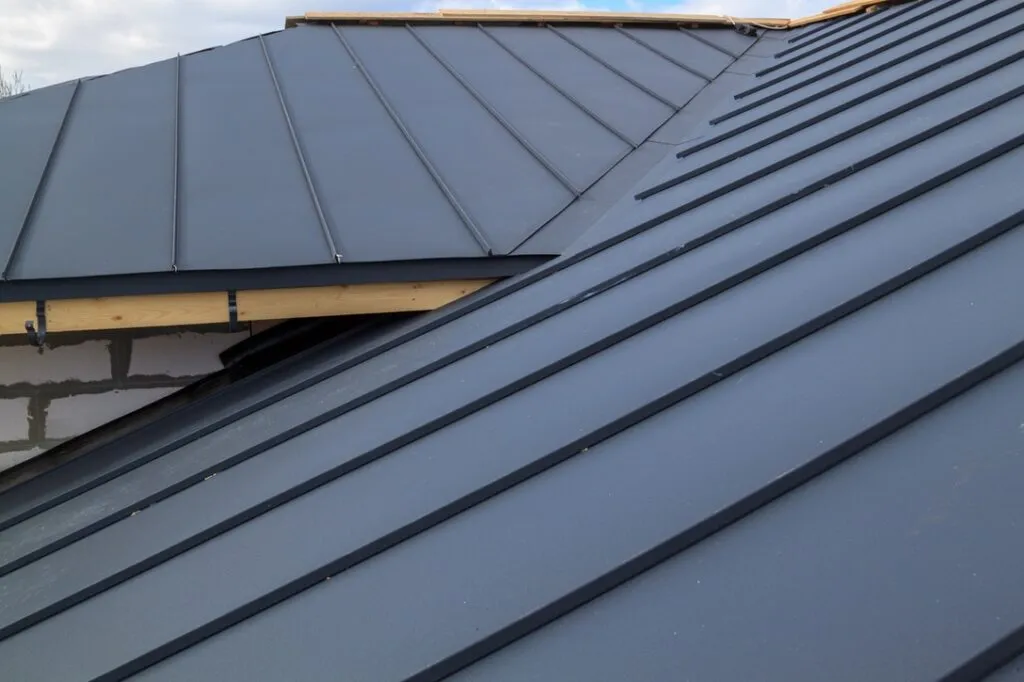
4. Installation of metal roof panels:
The installation sequence is to install from the center of the roof to both sides first, and finally install the cornice edge panels.
All special-shaped adjustment plates should be processed and installed after the final size is determined.
The panels are fastened with rivets via stainless steel fasteners.
Standing bite
After the position of the roof panel is fixed and adjusted, use a special undercut machine for the roof system to perform undercut locking. The undercut is oriented according to the fastener, and the direction of the undercut machine is to buckle from the top downwards;
The bitten edge is required to be continuous and smooth, without distortion or cracks. During the crawling process of the undercutting machine, the laid panels must be undercut to prevent the panels from being blown or blown away when the wind comes.
5. Gutter installation
When installing the gutter keel, lay out the lines simultaneously on the inside and outside of the gutter according to the dimensions of the construction drawing. Determine the position of the keel. First, fix the purlin brackets on the inner and outer structures of the gutter, and then weld the angle steel keels to the purlin brackets. The welding requirements are the same as those for roof purlins.
Installation of gutter edge leveling steel plates: Covered with steel plates made of the same material as the roof leveling steel plates, fixed to the purlin keels with rivets.
Gutter panel edge wrapping: measure the size according to on-site practice, cut and fold the aluminum magnesium manganese plate, and then install it.
6. Final inspection
After all parts are installed, conduct a comprehensive inspection to see if the windproof buckle is tightly engaged and whether the various structural parts are firmly connected.