

As an extremely important basic resource, aluminum plays a key role in the construction, rail transportation, automobile, cable and other industries. Aluminum consumption is mainly based on the electricity demand for converting alumina into pure aluminum during the electrolysis process. The electricity required to produce one ton of aluminum is approximately 13500Kwh-20000Kwh.
Why does aluminum consume so much electricity ?
The main reason for the high power consumption in aluminum production is that the aluminum ore electrolysis process, machine equipment operation process, high-temperature melting process, equipment cooling and maintenance all require a lot of electricity to support operation.
Electrolysis process consumes electricity:
Aluminum production is mainly extracted by electrolysis of molten aluminum. The electrolysis process requires stable current and voltage to maintain the electrolysis reaction of aluminum, which makes the aluminum plant consume a lot of electricity.
High-temperature melting electricity consumption:
The production process of aluminum requires high-temperature melting of alumina, which requires a lot of heat energy, and this heat energy mainly comes from electricity. Therefore, melting alumina itself requires a lot of electricity
Equipment cooling and maintenance electricity consumption:
In order to maintain the normal operation of the equipment, the equipment needs to be cooled and maintained during the aluminum production process, and these auxiliary operations also require a amount of electricity.
Scaled production electricity consumption:
Aluminum industry production usually adopts a large-scale continuous production mode which requires more electrolytic cells, higher temperatures and longer operating time to ensure the stable power supply to support production line operation.
Why does China have outstanding advantages in aluminum production?
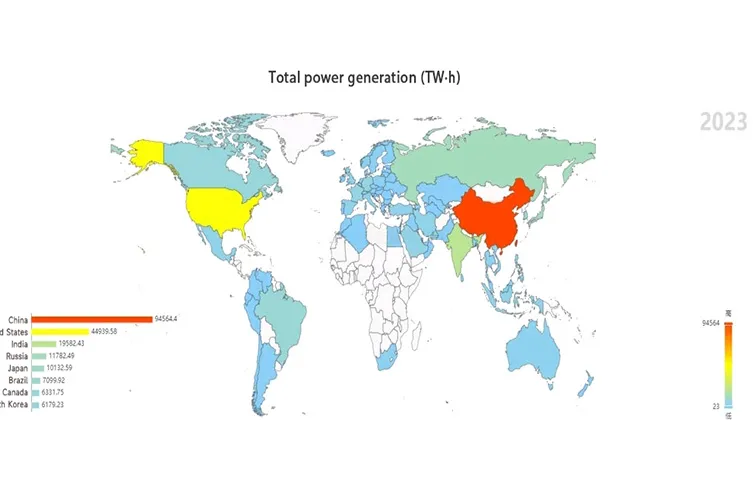
China is not only the global largest aluminum producer and exporter, but also the country with the largest electricity generation.
According to relevant data, China's primary aluminum outputs for 59% of the global total, aluminum product production outputs for about 66%, electrolytic aluminum outputs for 60% and smelted aluminum outputs about 60%. The exports of China nearly 60% of the global total.
In 2023, China's aluminum exports will be about 5.287 million tons, accounting for about 35% of the total global trade, and the electricity consumption for aluminum production will be about 740GW.
Reference data for China's aluminum production and export in 2023
aluminum output
export quantity
Power consumption
Export proportion
How to Reduce energy consumption in producing aluminum?
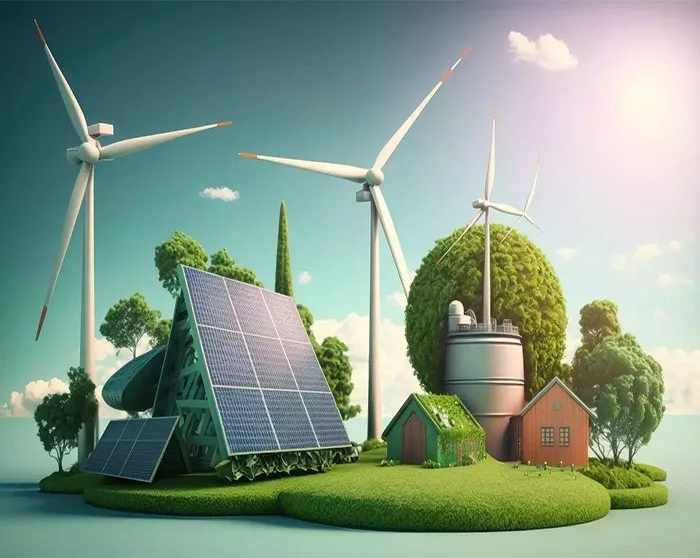
Technological innovation to improve energy efficiency benchmarks
The policy clearly states that through the introduction, research and development and promotion of advanced electrolytic aluminum production processes and technical equipment, the overall energy efficiency level of the industry will be greatly improved. This means that technological innovations in electrolyzer design, thermal management systems, waste heat recovery and utilization, intelligent control systems, etc. will become the main theme of industry development. Through technological upgrading, electrolytic aluminum companies are expected to achieve significant reductions in energy consumption per unit of product and gradually align themselves with the world's leading energy efficiency benchmarks.
Structural optimization and elimination of backward production capacity
The action plan emphasizes the need to strictly implement laws, regulations and standards related to environmental protection, energy consumption, quality, safety and other relevant laws and regulations, and eliminate backward production capacity that does not meet the requirements in accordance with laws and regulations. This move aims to use both market mechanisms and administrative means to force inefficient and high-emission electrolytic aluminum production lines to withdraw from the market and make room for the development of new, efficient and low-carbon production capacity.
Green management and building a full-chain low-carbon system
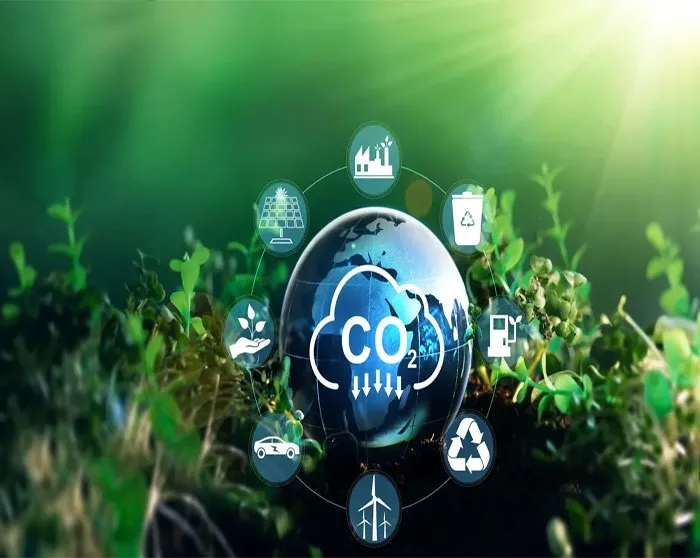
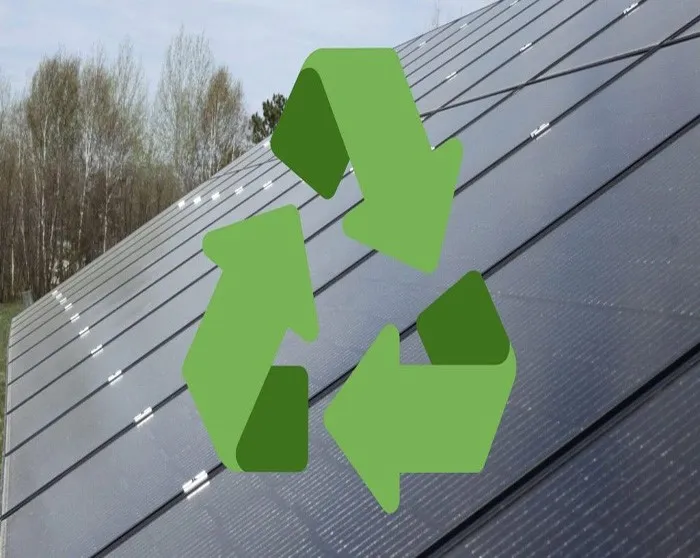
In addition to reforms at the production and process levels, the policy also advocates the establishment of a green management system covering the entire life cycle of raw material supply, production operations, and waste disposal. This includes encouraging the use of low-carbon bauxite and recycled aluminum raw materials, promoting the application of clean energy in electrolytic aluminum production, and strengthening waste resource utilization and other measures, aiming to comprehensively reduce the environmental impact of the electrolytic aluminum industry.