

Factors Affecting Metal Corrosion
Metal corrosion is the leading cause of metal failure and usually manifests itself as rust on the metal surface, which can destroy the luster and beauty of the material and shorten its life. There are many factors in the natural environment that cause metal corrosion (humidity, atmospheric pollutants, seawater, soil, etc.) and they are unavoidable.
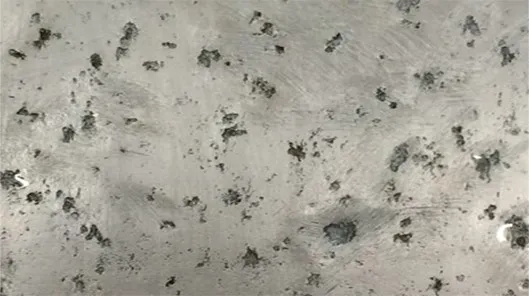
Atmospheric corrosion
Atmospheric corrosion refers to the damage of metal materials or buildings caused by chemical or electrochemical reactions under atmospheric conditions. The metal materials used in the atmosphere account for more than 60% of the total production in the world, and the metal lost due to atmospheric corrosion accounts for more than 50% of the total corrosion. The specific degree of metal corrosion is mainly affected by the humidity in the atmosphere and the content of various pollutants.
Seawater corrosion
The humidity, flow rate and pH value of seawater, as well as the salts, dissolved oxygen, marine organisms and decaying organic matter in seawater are important factors causing seawater corrosion.The corrosion process of most metals in seawater is an oxygen depolarization process, and the corrosion rate is controlled by the oxygen diffusion process.Metals in seawater are prone to local corrosion damage, such as pitting corrosion, crevice corrosion, turbulent corrosion and cavitation corrosion.
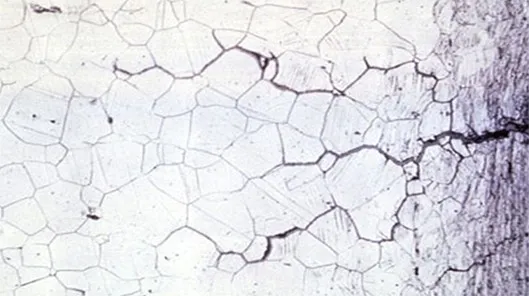
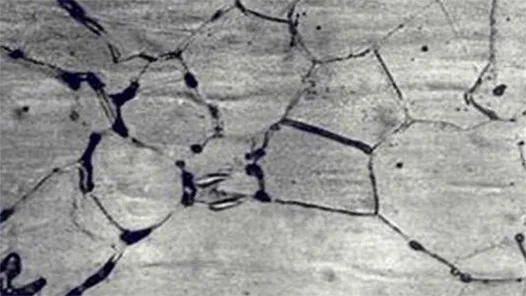
soil corrosion
Soil is an extremely complex, heterogeneous, multiphase system composed of soil particles, aqueous solutions, gases, organic matter, charged colloids, mucus colloids, etc. Due to the heterogeneity of soil composition and properties, it is very easy to form oxygen concentration cell corrosion, causing underground metal facilities to suffer severe local corrosion.
Chemical corrosion
Chemical corrosion refers to the damage caused by direct chemical reaction between metal and non-electrolyte. The corrosion process is a pure chemical reaction of pure oxidation and reduction. It means that the corrosive medium directly interacts with the atoms on the metal surface to form corrosion products. Common chemical corrosion media are acids, alkalis, and salts
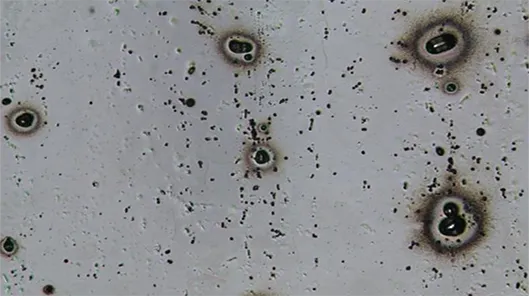
Metal corrosion Type
Uniform Corrosion
Introduction: Uniform corrosion refers to corrosion that occurs on the entire surface or large area of a metal. This type of corrosion is usually caused by long-term exposure of the metal to corrosive media, such as acids, alkalis and other chemicals.
Corrosion characteristics: The corrosion rate is relatively uniform, the metal gradually becomes thinner, and may eventually lead to structural failure.
Preventive measures: To prevent uniform corrosion, you can choose corrosion-resistant materials or apply anti-corrosion coatings.
Crevice Corrosion
Introduction: Crevice corrosion occurs in cracks or other hidden areas on the metal surface.
Features: The corrosive medium in the metal crevice is in a stagnant state, causing accelerated corrosion at the connection of metal accessories.
Preventive measures: To prevent crevice corrosion, the gaps and dead corners in the design should be minimized, and the surface of the equipment should be kept clean and dry.
Galvanic Corrosion
Introduction: Contact corrosion occurs when two metals with different potentials come into contact with each other and are immersed in an electrolyte solution.
Features: Metals with more negative potentials will corrode faster, while metals with more positive potentials are protected.
Preventive measures: Avoiding direct contact between different metals or using insulating materials to separate them is an effective way to prevent contact corrosion.
Pitting Corrosion
Introduction: Pitting is deep corrosion concentrated on small spots on the metal surface.
Features: Pitting usually occurs in an environment containing strong oxidants such as chloride ions. Pitting can cause small holes to form on the metal surface, thereby weakening the structural strength of the material.
Preventive measures: Selecting materials resistant to pitting, controlling environmental corrosion factors, and regular inspection and maintenance are the key to preventing pitting.
Intergranular Corrosion
Introduction: Intergranular corrosion is corrosion that extends inward along the interface between metal grains. It is mainly caused by the presence of grain boundary impurities or internal stress.
Features: Intergranular corrosion will destroy the bond between grains and reduce the mechanical strength of the metal.
Preventive measures: Selecting materials that are resistant to intergranular corrosion, controlling the temperature during heat treatment and welding, and performing appropriate surface treatment are measures to prevent intergranular corrosion.
Dew Point Corrosion
Introduction: Dew point corrosion mainly occurs in coal chemical plants and other environments with corrosive media and water vapor.
Features: When the medium temperature is lower than the dew point temperature, water vapor will condense on the metal surface and work together with the corrosive medium to cause corrosion.
Preventive measures: The prevention and response measures for dew point corrosion include controlling the ambient temperature and humidity, using corrosion-resistant materials, and regularly cleaning and maintaining equipment.
Stress Corrosion Cracking
Introduction: Dew point corrosion mainly occurs in coal chemical plants and other environments with corrosive media and water vapor.
Features: When the medium temperature is lower than the dew point temperature, water vapor will condense on the metal surface and work together with the corrosive medium to cause corrosion.
Preventive measures: The prevention and response measures for dew point corrosion include controlling the ambient temperature and humidity, using corrosion-resistant materials, and regularly cleaning and maintaining equipment.
Metal Corrosion Precautions
Selecting materials with good corrosion resistance, optimizing equipment design and manufacturing processes, reducing gaps and dead corners, controlling corrosion factors in the environment, and regularly inspecting and maintaining equipment can effectively extend the service life of metal equipment and ensure safe production.
Reasonable material selection
Select materials that are insensitive to stress corrosion or have good stress corrosion resistance.Aluminum alloy is the widely used metal with strong corrosion resistance.Different series of aluminum alloys have different corrosion resistance and application environments.
1 Series
Aluminum alloy: 1050 1060 1100, etc.
Corrosion resistance:Contains more than 99.00% aluminum, good corrosion resistance
Application: Mainly used in chemical industry and special purposes.
2 Series
Aluminum Alloy: 2017 2024
Corrosion resistance: Series 2 is an aluminum alloy with copper as the main alloying element, and has a serious tendency to intergranular corrosion.
Application:aviation industry, accessories and industries with high operating temperatures
3 Series
Aluminum alloy: 3003 3004 3105
Corrosion resistance: Aluminum alloy with manganese as the main alloying element (manganese content is 1.0-1.5%). It cannot be heat-treated and strengthened, and its corrosion resistance is better than that of the 1 series.
Corrosion resistance: Aviation industry, building materials in harsh environments,
4 Series
Aluminum alloy: 4004 4032 4043
Corrosion resistance: 4 series aluminum alloy is an aluminum alloy with silicon as the main alloy element. If too much Si remains on the intergranular interface, it will be prone to intergranular corrosion.
Application: Additive material for aluminum alloy welding.
5 Series
Aluminum alloy:5052
Corrosion resistance: 5 series has good corrosion resistance, and can improve corrosion resistance in weak alkaline solution. Excellent seawater resistance
Application: seaside buildings, aircraft fuel tank pipes, tank materials
6 Series
Aluminum alloy: 6061 6063
Corrosion resistance: mainly magnesium and silicon, good corrosion resistance, good welding performance, good process performance, good oxidation coloring performance.
Application: Transportation Industry (such as car doors, car bodies, heat sinks, etc.)
7 Series
Aluminum alloy: 7050 7075
Corrosion resistance: 7 series aluminum alloy contains zinc and copper, and has poor corrosion resistance
Application: Aviation (aircraft load-bearing components, landing gear), rockets, propellers, and spacecraft.
8 Series
Aluminum alloy: 8011
Corrosion resistance: 8 series aluminum alloy lithium, iron alloy elements, with high rigidity and good heat resistance and special properties
Application: Air conditioning aluminum foil
Improve production process
Surface clean
If the surface of the aluminum coil is not cleaned properly, the passivator cannot form a conversion film with the aluminum alloy and the passivation treatment will be completely ineffective.
Choose the good water.
Clean water or deionized water should be used in the cleaning process during the passivation process, which can reduce the interference of impurity ions on the passivation chemical process, is conducive to the formation of passivation, is conducive to the purity of the generated chemical conversion film, and is conducive to the improvement of the corrosion resistance of aluminum alloy after passivation.
Control the baking temperature
The baking temperature after passivation must be controlled at around 100 degrees. Too high a drying temperature will cause the chemical conversion film on the aluminum alloy surface to break, destroying the corrosion resistance of the aluminum alloy after passivation.
About Hanchen Metal
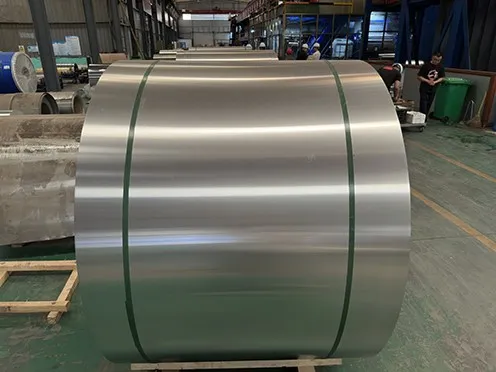
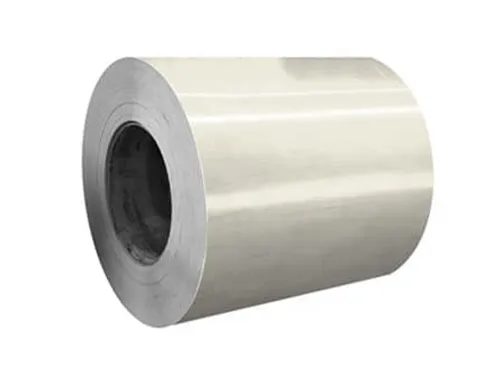
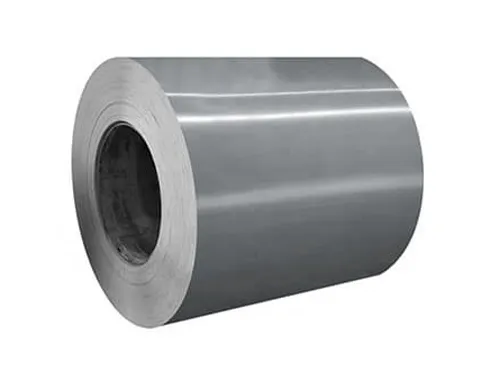
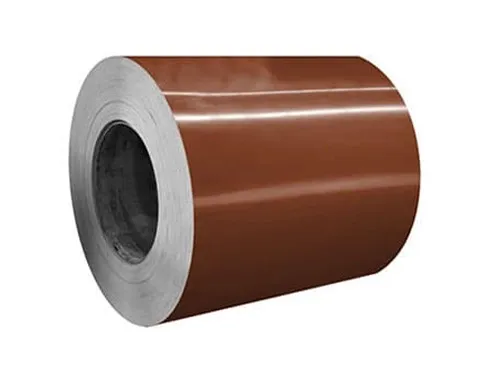
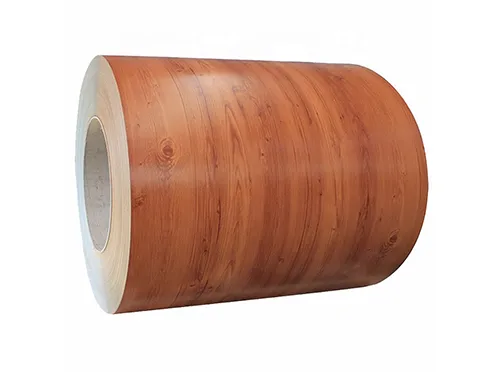
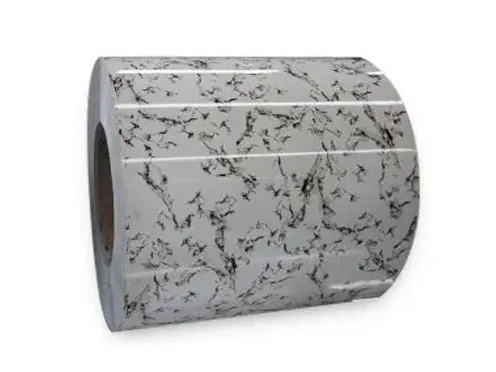
Shandong Hanchen Metal Co.,Ltd is a professional color coated aluminum manufacturer integrating production, sales and trade. We are committed to providing customers with high-standard products and satisfactory services and highly efficient solutions.
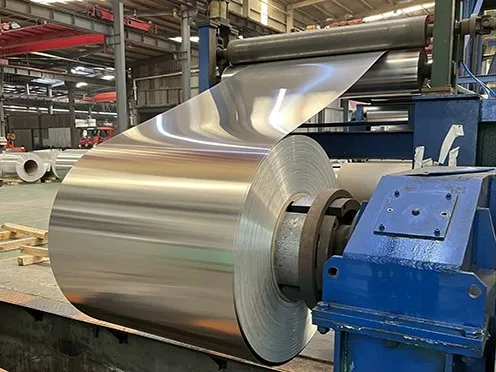
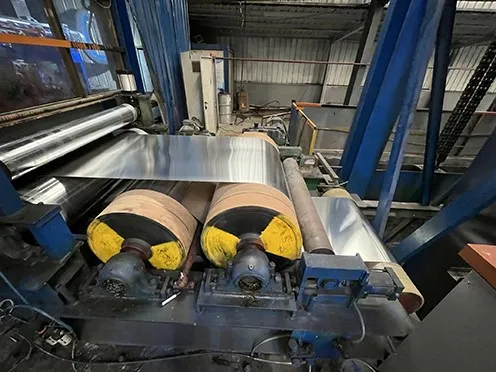
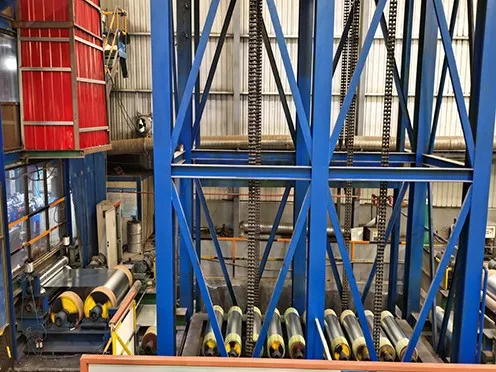
Our factory & quipment
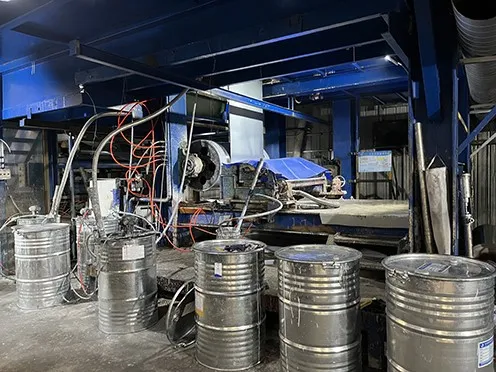
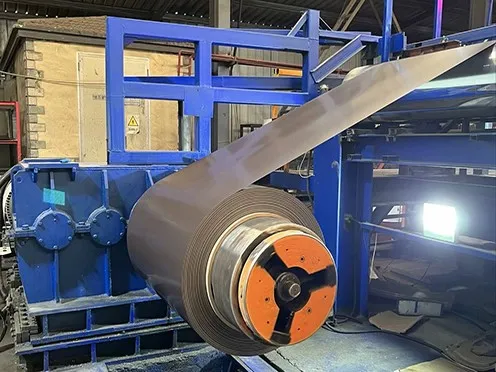
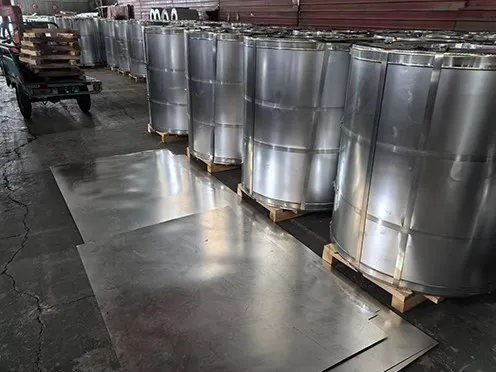
We have professional two automatic production lines with four-roller coating equipment.
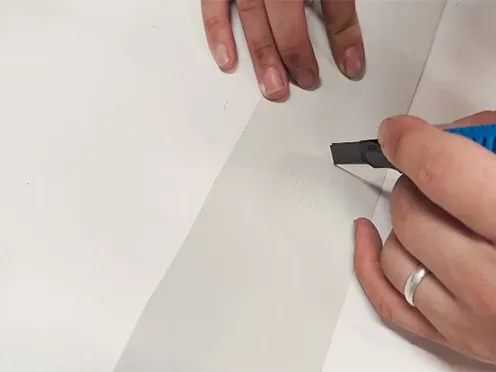
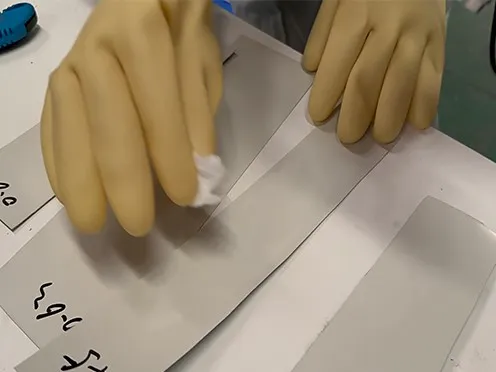
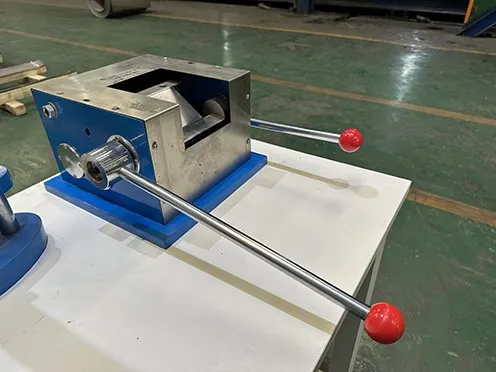
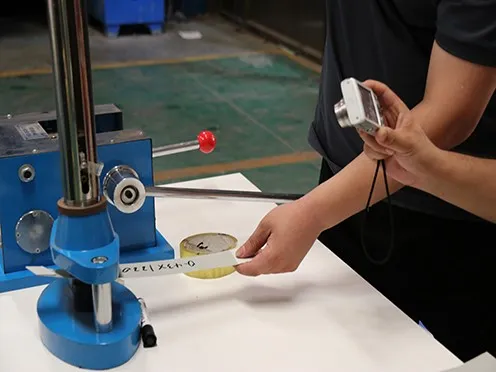
Quality Inspection
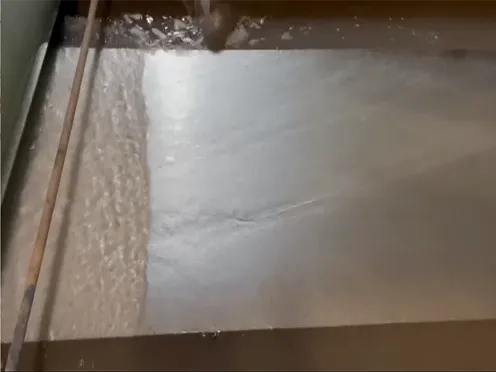
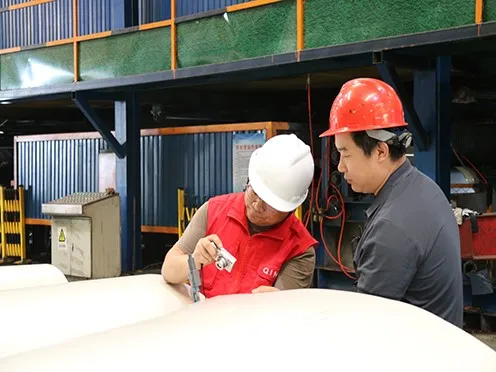
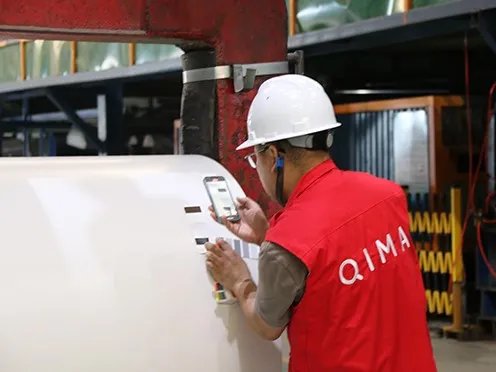
The whole production process has strict quality control and inspection..
Our Product
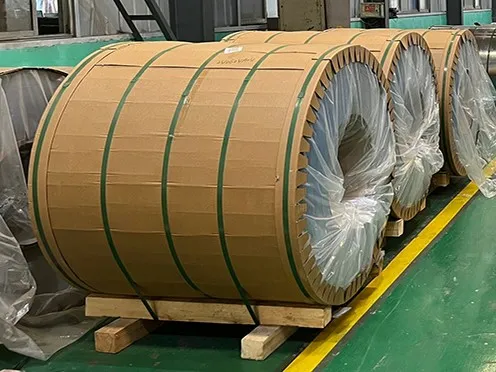
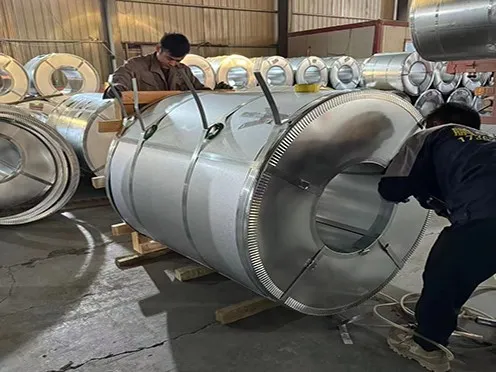
Our Package
Our Certificates
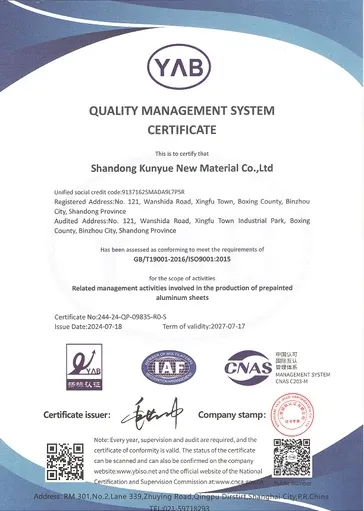
QMS-Production
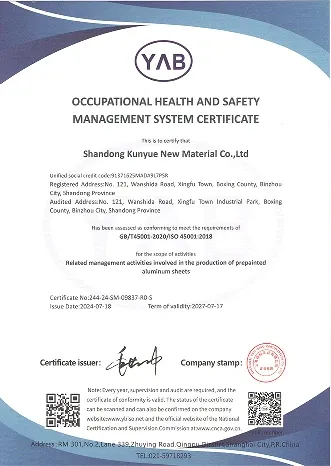
OHSM
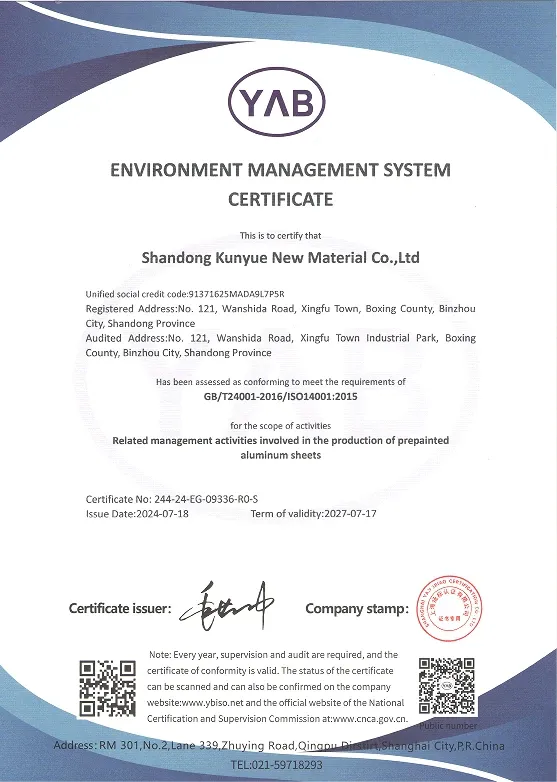
EMS
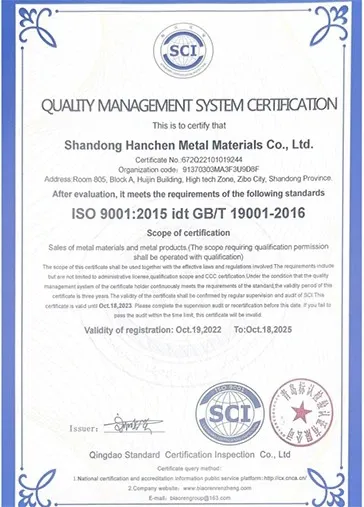
QMS-
we are here for you