

Aluminum coil is a popular material used in a wide range of industries, including transportation, construction, and electronics. Two of the most commonly used types of aluminum coil are 5052 and 3003.
One of the main differences between 5052 and 3003 aluminum coil is their composition. 5052 aluminum coil is alloyed with magnesium, which enhances its strength and corrosion resistance. On the other hand, 3003 aluminum coil is alloyed with manganese, which improves its ductility and workability.
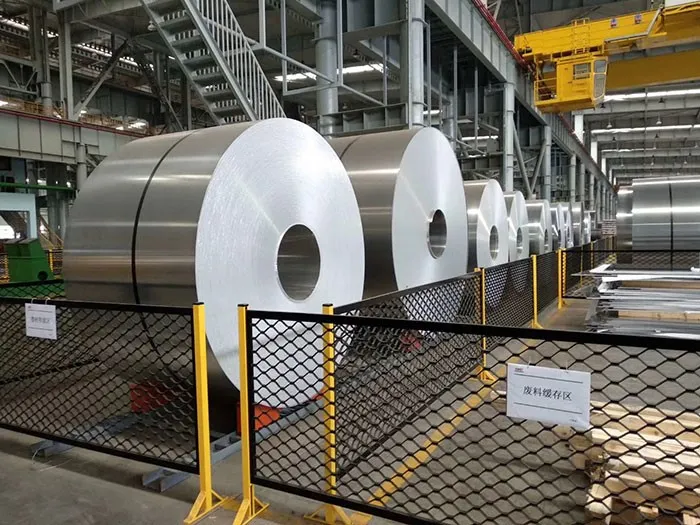
Another difference between these two types of aluminum coil is their uses. 5052 aluminum coil is often used for body panels, fuel tanks, and other applications that require high strength and corrosion resistance. 3003 aluminum coil, because of its higher ductility and workability, is commonly used in more general-purpose applications, such as signage, roofing, and mirror finishes.
When it comes to welding, 5052 aluminum coil can be more difficult to weld due to its higher magnesium content. On the other hand, 3003 aluminum coil is easier to weld due to its lower magnesium content.
In terms of appearance, both types of aluminum coil have a similar appearance, with a silver-gray coloration. However, 5052 aluminum coil may have a slightly higher sheen than 3003 aluminum coil.
Finally, when it comes to price, 3003 aluminum coil is generally less expensive than 5052 aluminum coil, making it a popular choice for cost-sensitive applications.
In conclusion, while both 5052 and 3003 aluminum coil have their differences, they are both versatile materials suitable for a wide range of applications. Ultimately, the choice between these two types of aluminum coil will depend on the specific requirements of the application.