

PVDF color-coated aluminum coil is a type of coated aluminium that is widely used in building facades and roofing systems due to its durability, weather resistance and aesthetic appeal. The color coating process involves several steps, the most important of which is roller coating. In this article, we will explore the steps involved in the roller coating process of a PVDF color-coated aluminum coil.
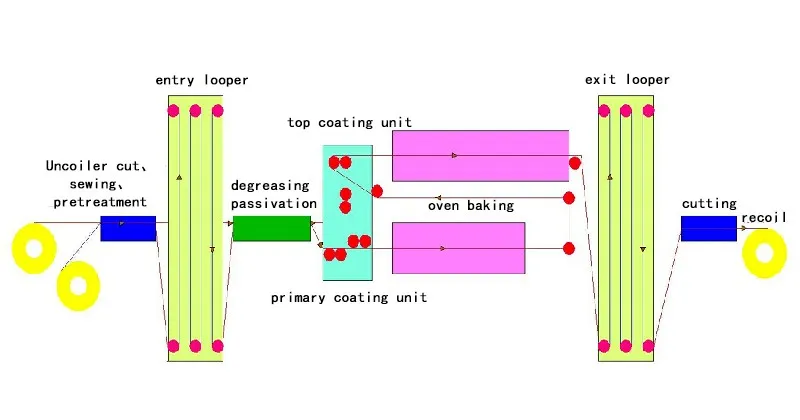
Step 1: Surface preparation
The first step in the roller coating process is surface preparation. The aluminum substrate is thoroughly cleaned and degreased to remove any impurities or contaminants that may interfere with the adhesion of the coating material. The surface is then treated with a chemical etching solution to enhance its surface roughness and improve the bonding strength of the coating.
Step 2: Priming
The second step is priming, which involves applying a primer to the surface of the aluminum substrate. The primer serves as a basecoat to improve the adhesion of the topcoat and provide corrosion resistance to the aluminium. The primer is typically a solvent-based or water-based material that contains resins, pigments, and additives.
Step 3: Top coating
The third step is top coating, which involves applying the PVDF coating material using a roller coating machine. The PVDF coating is a high-performance fluorocarbon polymer that is known for its excellent weather resistance, durability, and color retention. The high-quality coating gives the aluminum a smooth, glossy finish that is resistant to fading, chalking, and cracking.
Step 4: Curing
The fourth and final step is curing, which involves baking the coated aluminum coil in a high-temperature oven to crosslink the coating and ensure its optimal performance. The curing time and temperature vary depending on the coating material, but generally, it takes about 10-15 minutes at a temperature of 200-220°C.
In conclusion, the steps involved in the roller coating process of a PVDF color-coated aluminum coil are surface preparation, priming, top coating, and curing. Each step is critical to achieve the desired coating performance and appearance. By following these steps, manufacturers can produce high-quality color-coated aluminum coils that meet the strictest industry standards and customer requirements.