

Architectural projects increasingly rely on stable, high-performance materials that remain visually consistent and structurally reliable for decades. This shift is the reason manufacturers of ACP sheets, sandwich panels, and metal roofing systems continue to invest in prepainted aluminum coil and color-coated aluminum coil. The global market for PPAL has grown steadily among facade-system producers because the material delivers predictable long-term performance, excellent formability, and a surface quality that aligns with modern architectural standards.
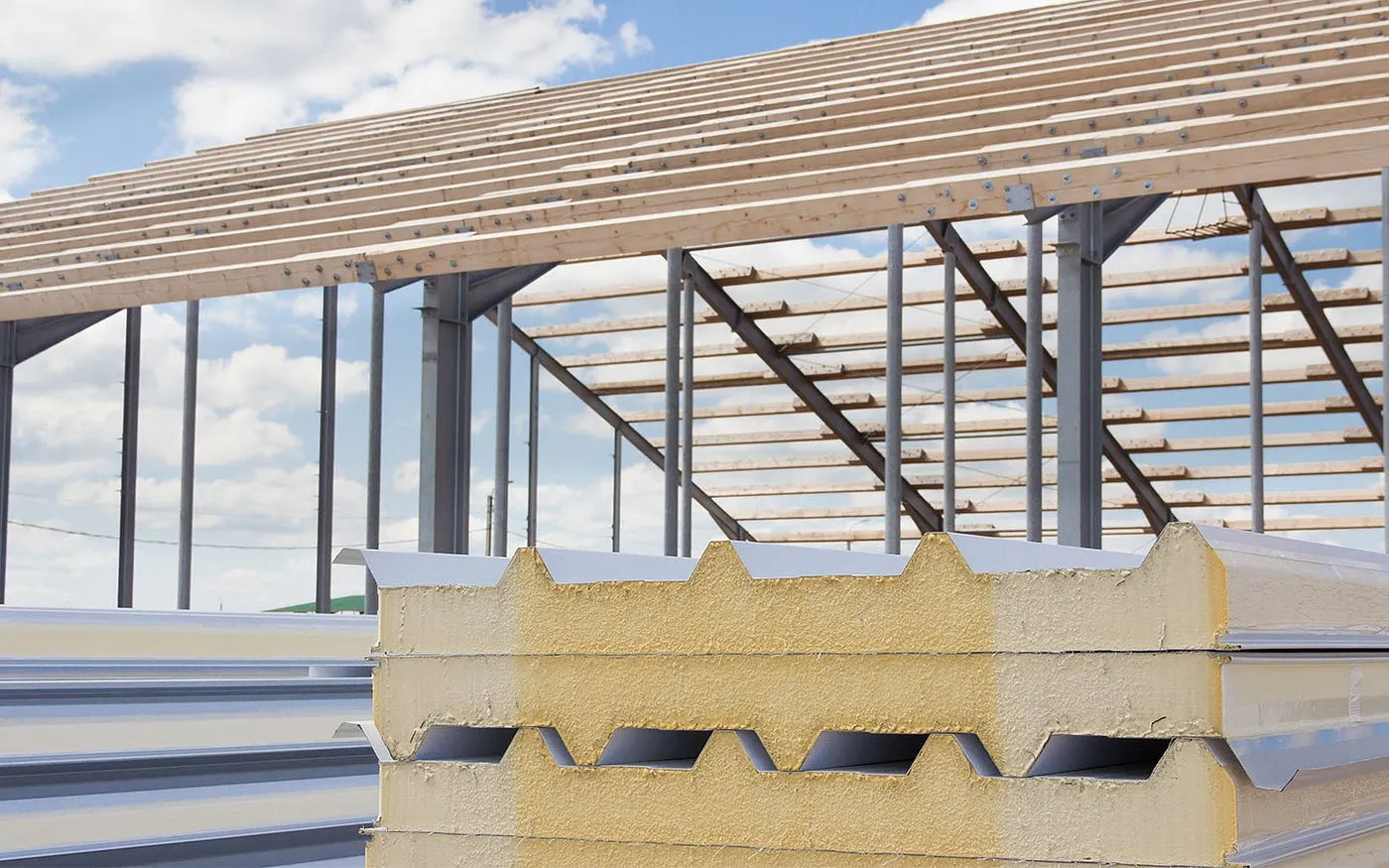
The consistency offered by prepainted aluminum coil helps panel manufacturers achieve tighter tolerances during lamination and bending. Uniform coating thickness, stable hardness, and precise mechanical properties support high-speed production. Many ACP factories report yield improvements after replacing conventional painted sheets with color-coated aluminum coil for composite panels. This reliability reduces line adjustments, minimizes micro-cracking during corner bending, and lowers the defect rate for high-gloss finishes. As global projects demand increasingly strict flatness and color-uniformity requirements, PPAL provides an advantage that can be measured in both production output and customer satisfaction.
Durability is another factor driving the adoption of prepainted aluminum coil for building facades. Industry tests show that high-grade PVDF PPAL retains more than 80% of its gloss after extended QUV exposure cycles. In regions such as the Middle East, Southeast Asia, and coastal Europe, architects now specify color-coated aluminum coil for projects requiring 20–30 years of color consistency. A real example comes from a commercial complex in Abu Dhabi that used architectural PPAL more than twelve years ago. Independent inspections found minimal chalking and a color deviation of less than ΔE 1.3. The facade using traditional coated steel in the same environment, showed visible fading and surface oxidation. This difference highlights why prepainted aluminum coil is increasingly selected for premium exterior applications.
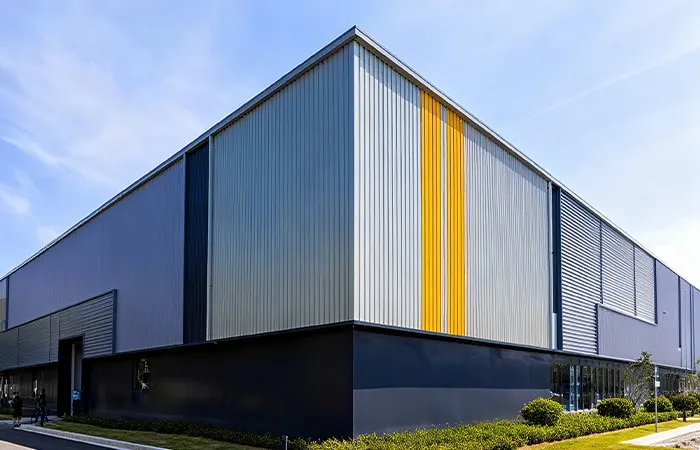
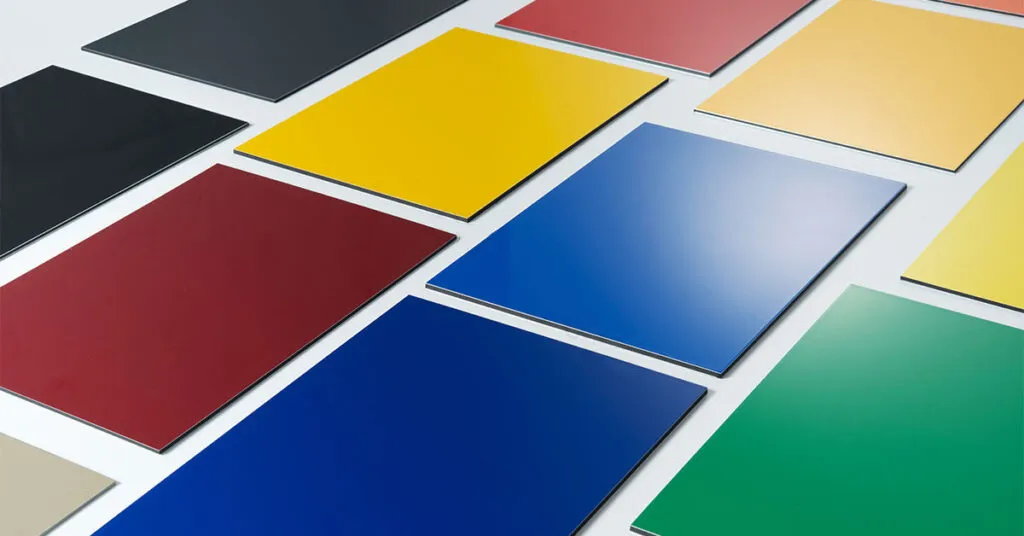
Weight performance also matters. Aluminum offers a density of about 2.7 g/cm³, making prepainted aluminum trim coil and coil-coated aluminum for roofing significantly lighter than steel alternatives. A typical 0.5-mm PPAL skin on ACP panels supports easy fabrication, lower transport costs, and faster installation. Lightweight panels place less stress on sub-structures, particularly useful for retrofit projects where existing walls cannot handle heavy cladding loads. Roofing manufacturers benefit from the improved handling of coil-coated aluminum for roofing, reducing installation time and enhancing safety on job sites.
Corrosion resistance further strengthens the case for prepainted aluminum coil. Aluminum naturally forms a protective oxide layer, allowing PPAL to resist corrosion even in salt-rich or industrial atmospheres. Field data from coastal warehouses using color-coated aluminum coil roofing confirm that aluminum panels demonstrate significantly lower pitting and edge corrosion compared to coated steel sheets after extended exposure. This durability translates to lower maintenance costs and stronger long-term warranties for panel producers.
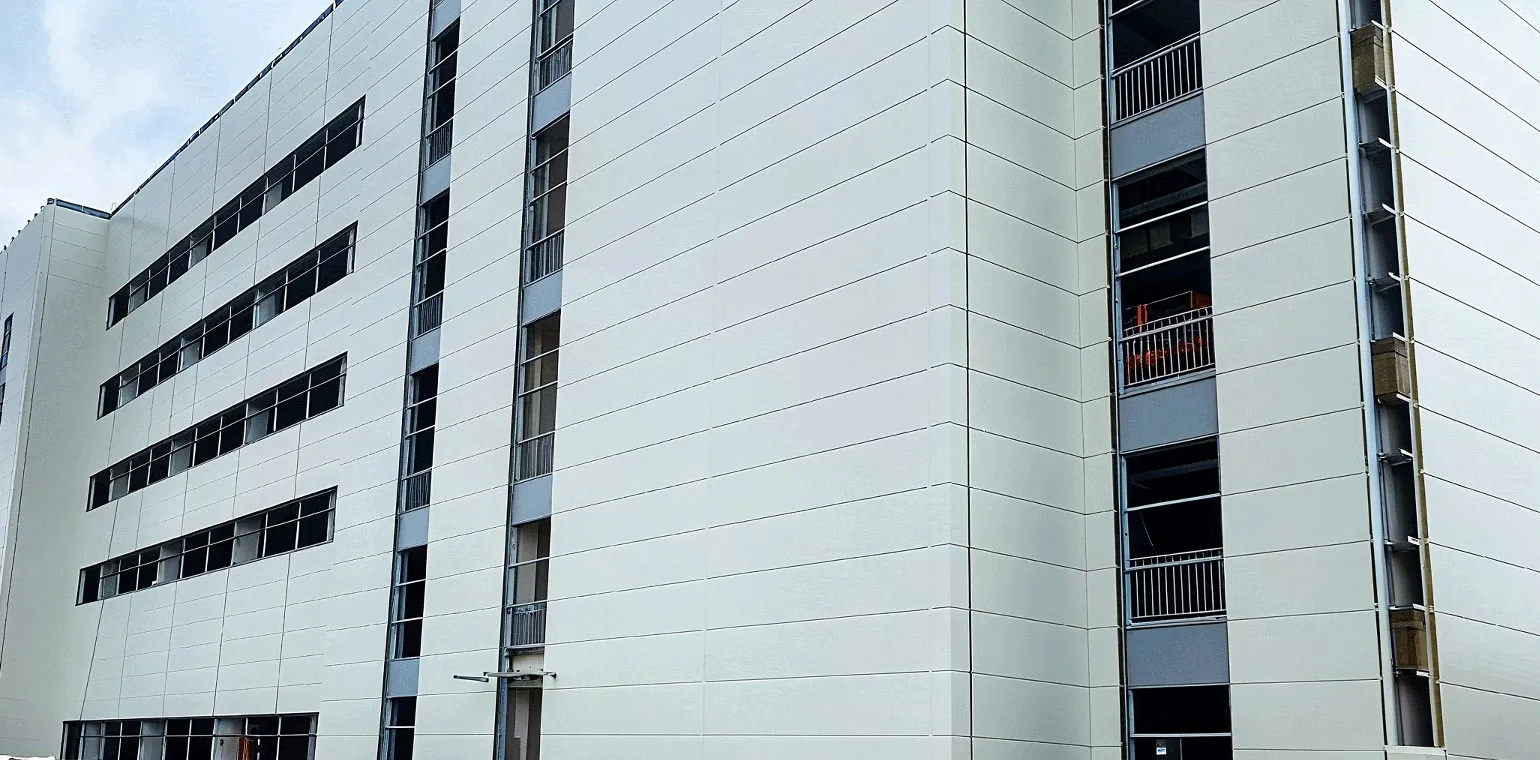
As construction markets continue to evolve, manufacturers seek materials that improve production stability while enhancing the final product's value. Prepainted aluminum coil meets these requirements across ACP lines, insulated sandwich panels, and metal roofing systems. The combination of durability, formability, weight advantage, corrosion resistance, and sustainability makes PPAL a compelling choice for facade and envelope applications.