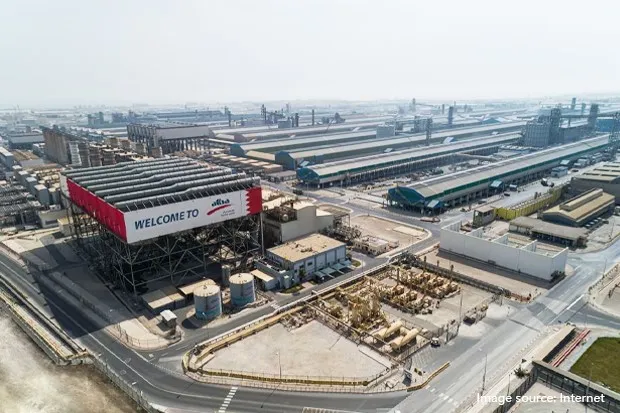
Recent attacks on major Middle Eastern aluminium producers, including Emirates Global Aluminium and Aluminium Bahrain, have introduced significant uncertainty into the global aluminium market. The Middle East is a key production hub, accounting for roughly 8–10% of global primary aluminium output, making any disruption highly sensitive to pricing and supply stability.
Aluminium Price Movement
Short-Term Reaction:
Immediately following the attacks, aluminium prices on the London Metal Exchange (LME) showed a sharp upward movement:
Prices surged by approximately 5–7% within days, approaching multi-year highs
Market volatility increased due to geopolitical risk premiums
Traders reacted quickly to potential supply shortages rather than confirmed output losses
In addition to LME price movement, physical premiums-especially in Asia and Europe-rose significantly, reflecting tighter spot availability and increased logistics risks.
Key Drivers Behind the Price Increase
1. Supply Risk Perception
Even partial disruptions at major smelters can remove substantial tonnage from the market. Middle Eastern producers are critical exporters, particularly to Asia and Europe.
2. Logistics and Shipping Constraints
The region's exports depend heavily on strategic routes such as the Strait of Hormuz. Any instability raises freight costs, insurance premiums, and delivery uncertainty.
3. Pre-existing Market Tightness
Before the incident, the aluminium market was already experiencing:
Controlled capacity in China
Rising energy costs globally
Gradual demand recovery in construction and transportation
This meant the market had limited buffer capacity to absorb shocks.
Impact on the Aluminium Industry
1. Upstream (Primary Aluminium Producers)
Non-affected producers benefit from price upside and improved margins
Smelters outside the Middle East (China, India, Southeast Asia) may increase utilization rates
Energy-intensive producers remain cautious due to high power costs
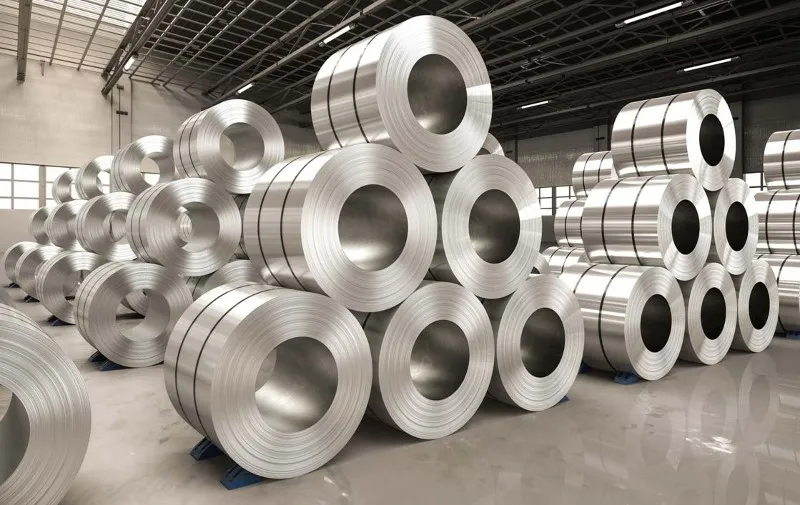
2. Midstream (Rolling Mills & Coil Producers)
For aluminium coil manufacturers and coated coil suppliers:
Raw material costs increase directly, impacting margins
Price volatility complicates procurement strategies and contract pricing
Buyers may shift to short-term contracts to manage risk
However, companies with:
Stable inventory
Long-term supply agreements
Value-added coating capabilities
are better positioned to maintain profitability.
3. Downstream (Construction, HVAC, Transportation)
Project costs increase due to higher aluminium input prices
Some substitution pressure may emerge (steel, plastics), especially in cost-sensitive markets
Demand remains relatively resilient in infrastructure and energy-related sectors
4. Trade Flow Adjustments
Increased reliance on Asian supply (China, India, Indonesia)
Potential redirection of shipments from unaffected regions
Longer lead times and higher freight costs
Short-Term vs Mid-Term Outlook
Short-Term (0–3 Months)
Strong upward price momentum
High volatility driven by geopolitical developments
Elevated premiums in physical markets
Mid-Term (3–12 Months)
Two scenarios may unfold:
Scenario 1: Continued Disruption
Sustained high aluminium prices
Tight global supply
Increased competition for available material
Scenario 2: Stabilization
Partial price correction
However, prices likely remain above pre-crisis levels due to structural supply constraints
The attacks on key Middle Eastern aluminium producers have reinforced the sensitivity of the global aluminium market to geopolitical risks. While the immediate impact is a price surge and increased volatility, the broader implication is a renewed focus on supply security and risk management across the value chain.
For aluminium coil manufacturers and downstream users, the current environment emphasizes the importance of strategic sourcing, pricing discipline, and value-added product positioning.