

Materials Used for Metal Roofs
First, let's talk about materials.
Many different types of metal may be used to construct roofing materials. Some of the most common choices include the following:
-
Steel: This, of course, is one of the sturdiest metals out there, and does a fantastic job resisting corrosion. You can build a roof out of corten, galvalume or galvanized steel. Steel can also be a cost-effective choice for those on a tight budget.
-
Zinc: Another option which is great for resisting rust is zinc. This metal also has a low melting point and can hold up well over time. Like copper (see below), zinc is easy to shape, with the downside being susceptibility to hail.
-
Aluminum coil: A good choice for durability (though not as rugged as some other options), you might think about using aluminum metal panels if you live near the seaside. It can handle salt air and sea spray well.
-
Copper offers a low melting temperature and can be easily shaped to your needs. Despite this fact, once it sets, it tends to be quite hardy. Still, its softer nature can make it susceptible to hail damage.
Types of Aluminum Metal Roofs
Now that we have talked about the most common materials used for metal roofing, let's talk about a few different types of metal roofs.
-
Metal shingles: If you like the traditional shingled roofs which have been the standard on numerous residential homes around the world for many decades, steel shingles or shingles made out of other types of metal may be for you. This option can be cost-effective, and provide your home with superior protection versus conventional shingles.
-
Metal tiles: Just as you can replace conventional shingles with steel shingles, you can also opt for metal tiles over conventional tiles.
-
An exposed fastener roofing system: This is similar to a standing seam metal roof, but there is no seam to hide the fastener. Because it is cost-effective, it is commonly used for commercial and residential metal roofing applications. If you want a roof to look a bit more "rustic" than "modern," you can achieve that with this type of roofing system, since it is readily associated with agricultural buildings. The downsides of this type of metal roofing are that 1-it requires a lot of maintenance, and 2-leaks can be a problem.
-
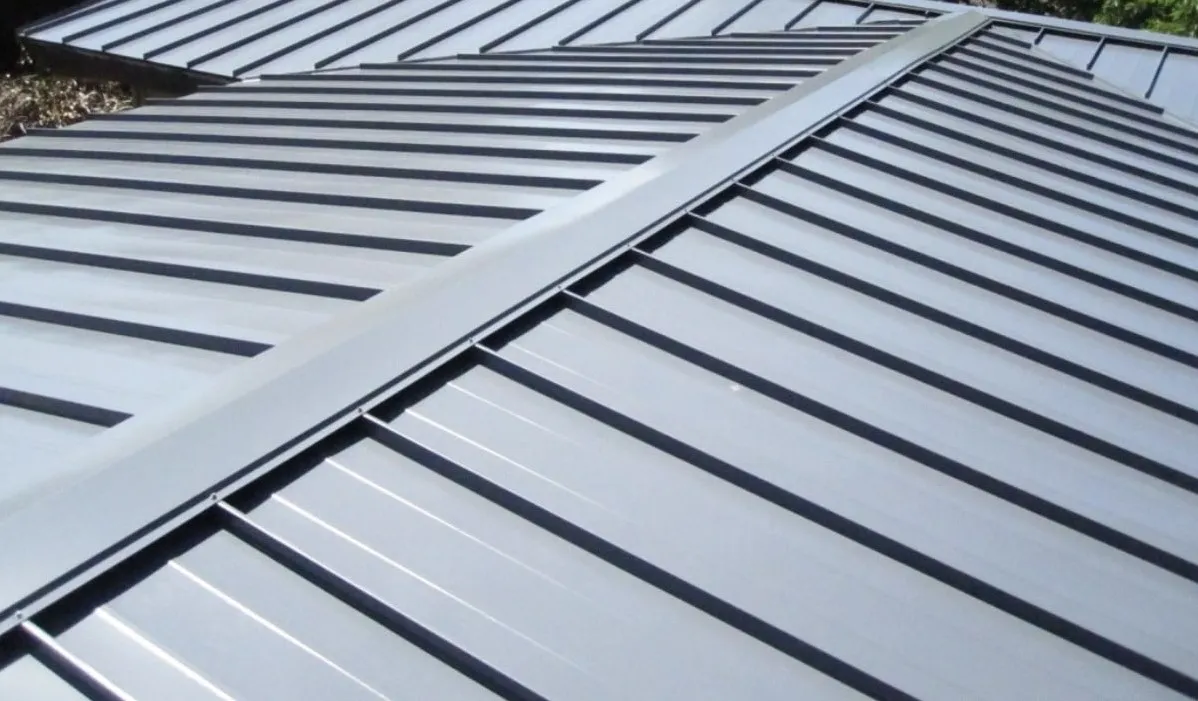
A standing metal seam roofing system: While more expensive to install than other types of metal roofing, this is currently one of the most popular options. It is instantly recognizable by its large, flat panels and the standing seams between them. Because the fasteners are concealed, this type of roof is more durable and requires less maintenance. It also is less likely to leak. Many people enjoy its sleek, contemporary appearance. One limitation is that it is not appropriate for a flat roof for reasons involving drainage.
What Does a Metal Roof Look Like?
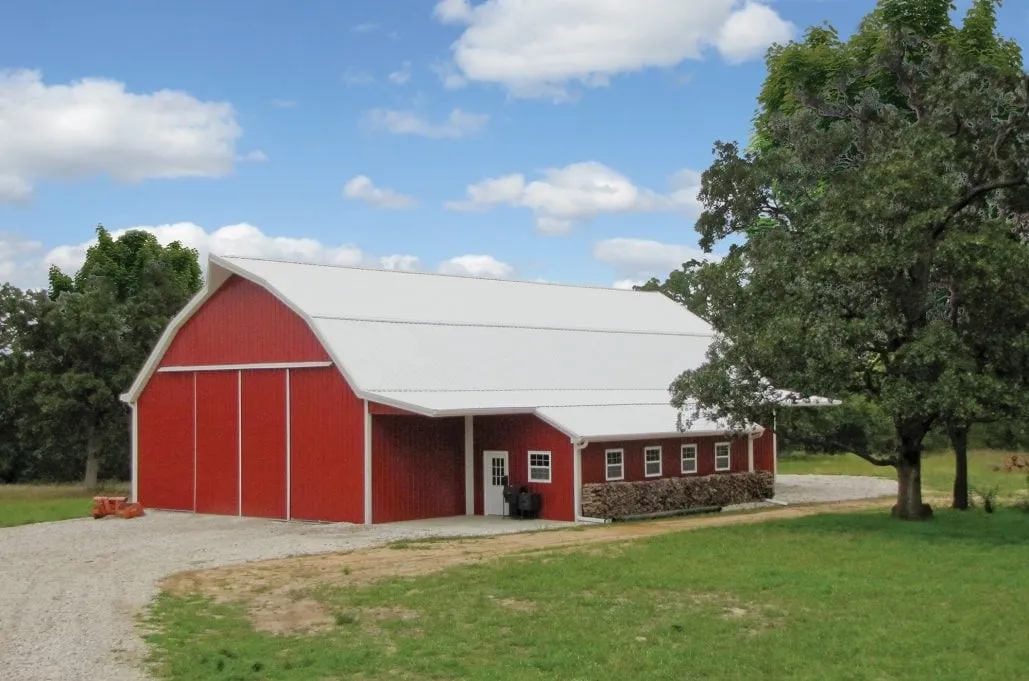
While this question may seem obvious, you might be surprised at how much metal roofs can resemble traditional roof tiles.
The appearance of a metal roof depends entirely on the type of roofing you get, the material it is made from, and the color you select.
If you want your metal roof to look like conventional asphalt shingles or to mimic concrete or clay tiles, you can do that. If you want the sleek look for metal seam roofing, you can opt for that instead.
Metal roof colors are as varied as any rainbow. You can go with gray or another natural metal color, or you can get a metal roof in red, blue, green or any other hue you like.
Benefits of Metal Roofing
All in all, we feel that the benefits of metal roofs outweigh the drawbacks. But let's talk about the specifics. Below are some of the key advantages of going with a metal roof for your residential or commercial structure.
-
Metal roofs tend to be stronger and more durable than those made from materials like asphalt. They often require less maintenance over their lifetimes, and are less likely to be damaged by the elements. This can actually add up to significant cost savings if you will be living or working under that roof for an extended time period.
-
Metal is a more eco-friendly choice than asphalt, which has a couple of disadvantages. Fossil fuels are required to produce asphalt, and damaged asphalt shingles are sent straight to landfills on a regular basis. Metal is more eco-friendly to produce, and is also able to be recycled. So if you care about protecting the environment, a metal roof is the way to go.
-
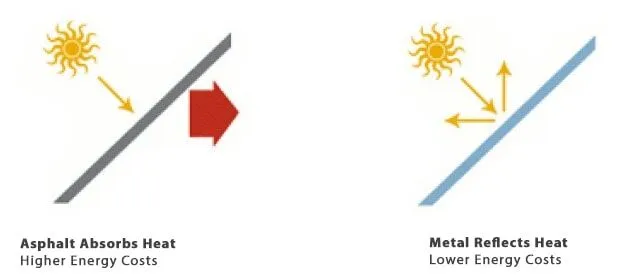
As a reflective material, metal absorbs less energy from sunlight, transferring less heat into the interior of a structure. This may make it less expensive to keep your home cool during the summertime.
Finally, metal roofing is versatile and aesthetically pleasing. No matter what look you are going for or what style of architecture you are trying to match, it should be possible to achieve the effect that you want using a metal roof.
Drawbacks of Metal Roofing
While metal roofing boasts quite a few phenomenal benefits, it is not without its disadvantages, as mentioned. Here are a few to consider before you decide to purchase a metal roof for your home or business.
-
The initial installation outlay for a metal roof can be high compared to what you would pay for a conventional asphalt roof. This is especially true if you go with a standing metal seam roofing system. Remember though, if you will be staying in the home for a long time, this higher initial cost should be more than adequately offset by long-term savings.
- Denting can be problematic with certain types of metal roofs. On the other hand, it is perhaps better to have a fallen tree or a hailstone dent your roof rather than break clean through it.
- The sound of precipitation hitting a metal roof can be loud. Whether or not this is a drawback, however, depends on your personal preferences. Some people enjoy the noise. Those who do not have the option of putting in thicker installation to dampen the sound.
You can see how none of the "drawbacks" above necessarily are problems from an objective standpoint. It really just depends on what you are looking for in a metal roof.
Is a Metal Roof Right For You?
While there are a number of considerations in determining whether to go with a metal roof or not, the primary one to think about is probably longevity.
If you are only going to be living in a home for a short time period, installing a metal roof may not be the most logical decision from a financial standpoint. You will not be there to experience its long-term benefits.
If, on the other hand, you expect to be staying in a home or using a commercial property over a period of decades, installing a metal roof should be worth the initial higher cost. You will be there to reap the cost savings over the long run.
Beyond that, most of the considerations are subjective. You know best whether you would find the noise of a metal roof soothing or irritating. As far as aesthetics go, you should be able to get a metal roof to look just about any way you want.
Being as that is the case, it will probably be pretty easy for you to figure out whether a metal roof makes sense or not given your situation. You will likely spend most of your time deliberating on materials and style. For that, some further research is required.
Conclusion: A Metal Roof is a Durable, Versatile, Cost-Effective Choice
Metal roofing's rising popularity these days probably reflects an increase in consumer awareness of its many benefits.
While it does cost more to have metal roofing installed, over a long period of time, you will likely find that extra cost more than pays for itself.
Higher durability, reduced maintenance, and versatile styles and colors all combine to make metal roofing an excellent option for a wide range of residential and commercial buildings.