

Prepainted aluminum coil (also known as color coated aluminum coil) is one of the most widely used materials in the production of ACP panels, sandwich panels, roofing sheets, and façade cladding systems. When manufacturers consider adopting this material, one of the most frequently asked questions is: Can prepainted aluminum coil be easily bent or formed without cracking, color change, or surface failure?
The answer is yes, provided that the coil is properly selected in terms of alloy, temper, coating system, and thickness and that the forming process is designed within recommended parameters.
Material and Mechanical Behavior
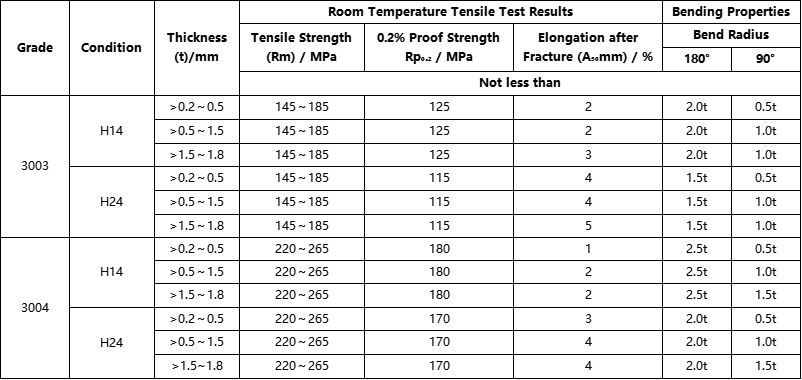
Prepainted aluminum coil is typically produced from alloys such as 3003, 3004, or 5052, in tempers like H14 or H24, which offer a balance of strength and ductility. These alloys are preferred for ACP panels and sandwich panel applications because they exhibit excellent elongation (typically 5–10%) and can achieve tight bending radii without surface cracking.
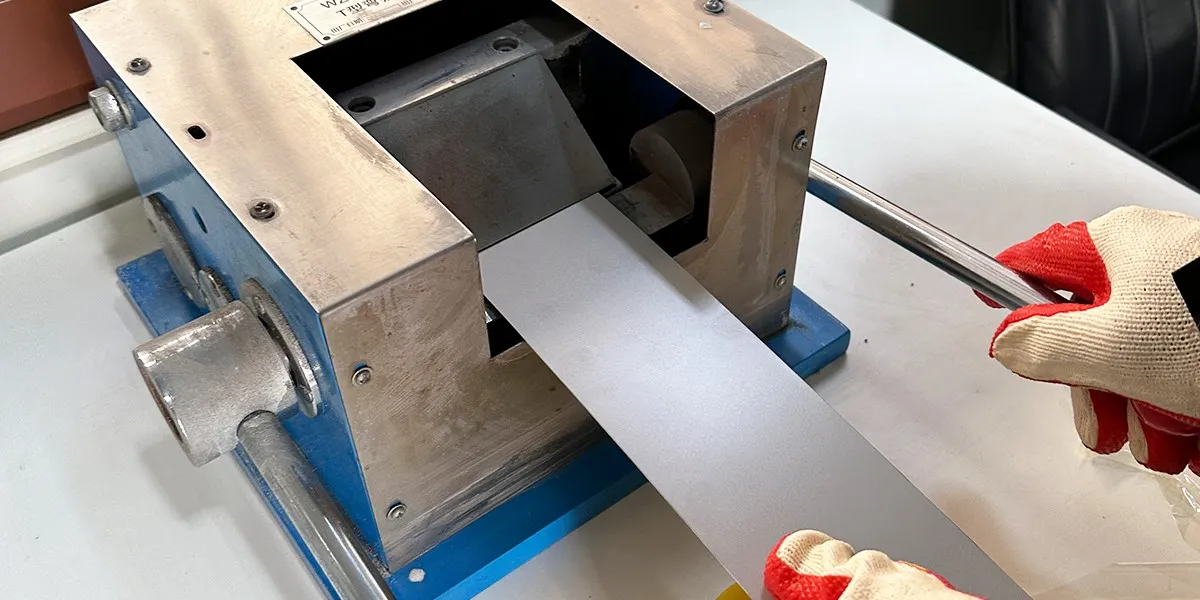
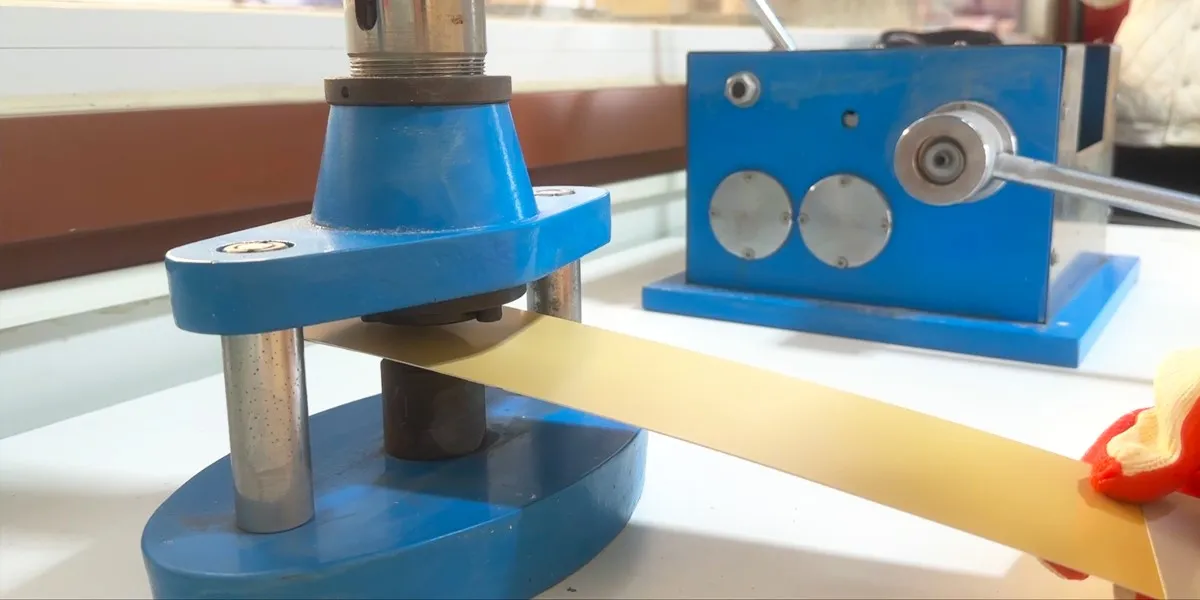
Laboratory tests according to ASTM D4145 T-bend standards have shown that high-quality PVDF-coated aluminum coils can achieve 0–1.5T bend performance, meaning the metal can be bent over a radius as small as 1 to 1.5 times the sheet thickness without coating failure. For routine production, a conservative 2T radius is generally recommended to ensure long-term surface integrity during panel fabrication.
Coating Flexibility and Surface Durability
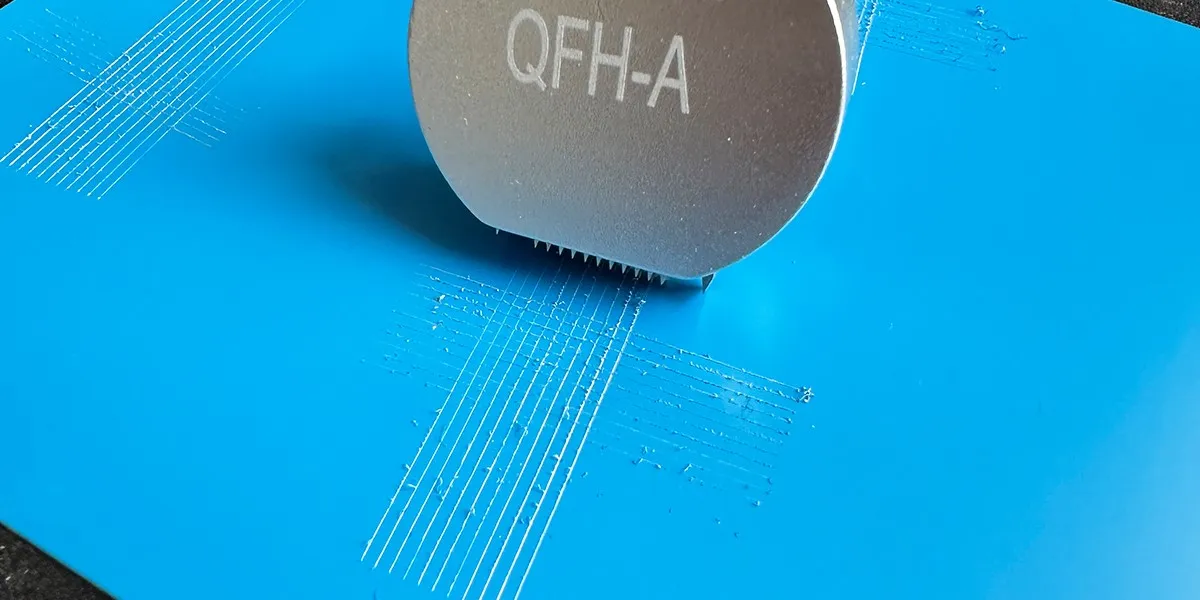
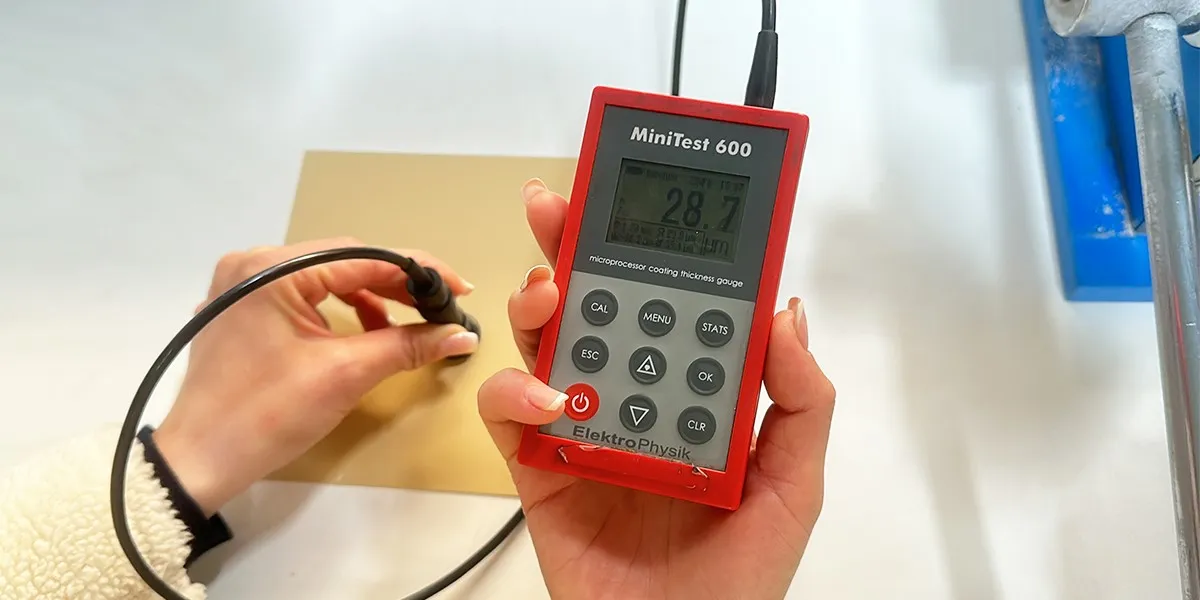
The flexibility of the PVDF coating or polyester (PE) coating is critical for successful forming. PVDF coatings, especially the 70/30 Kynar® or Hylar® formulations with a dry film thickness around 18–22 microns (0.7–0.9 mil), are engineered to withstand significant deformation without losing adhesion or gloss. Laboratory cross-hatch adhesion and impact resistance tests routinely demonstrate 100% adhesion and 7.5 joule impact pass ratings for these coatings.
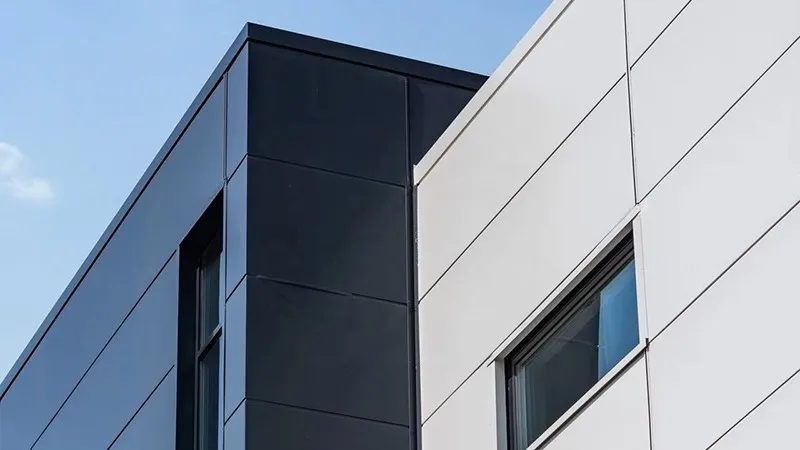
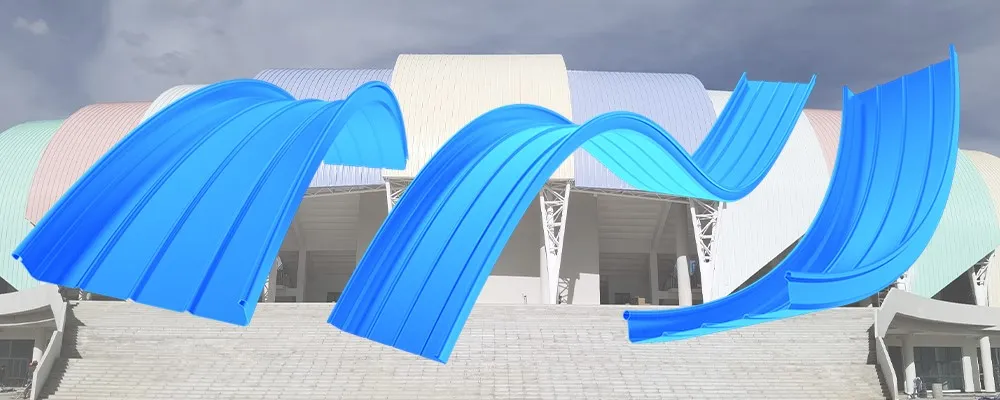
This flexibility allows the prepainted aluminum coil to undergo folding, roll forming, or panel pressing operations, processes commonly used by ACP panel and roofing manufacturers, without paint delamination or micro-cracking.
Testing and Verification
Professional coil suppliers should provide verified laboratory data including:
T-bend results: 0–1.5T (typical for PVDF and HDP systems).
Impact resistance: ≥7.5 joules without coating damage.
Cross-hatch adhesion: 100% pass.
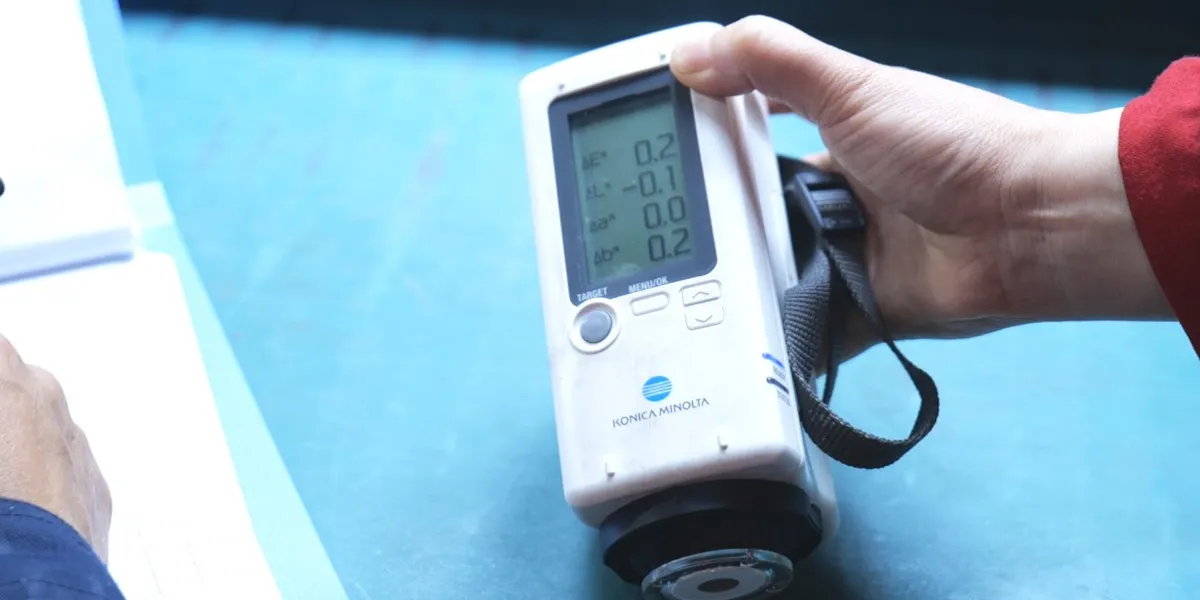
QUV accelerated weathering: ≥2,000 hours without significant color change (ΔE < 5).
Salt spray resistance: 1,000 hours with no blistering or corrosion spread.
These results confirm that prepainted aluminum coil maintains both structural and aesthetic performance under demanding fabrication and outdoor exposure conditions.
Practical Forming Considerations
When producing ACP panels or sandwich panels, the outer aluminum sheets are usually 0.3–0.5 mm thick. At these gauges, maintaining a minimum bending radius of 0.8–1.0 mm prevents coating strain beyond the elastic limit. For roofing sheets or architectural trims, where thickness can reach 0.6–0.8 mm, tooling should be adjusted to maintain proportionally larger bending radii.
It's also essential to monitor forming temperature and bending speed. Excessively high speeds or low ambient temperatures may increase coating brittleness, leading to micro-cracks near tight corners. Consistent lubrication and properly aligned roll formers further enhance coating durability during production.
Why Choose High-Quality Prepainted Aluminum Coil
Selecting a certified prepainted aluminum coil supplier ensures predictable forming behavior, uniform color consistency, and extended weather resistance. Our coils are produced with precision coating control, strict alloy temper selection, and laboratory-tested coating systems to meet or exceed international standards.
Whether you manufacture ACP panels, insulated sandwich panels, or roofing sheets, our PVDF and HDP color coated aluminum coils allow reliable forming, bending, and fabrication without compromising surface aesthetics or durability.