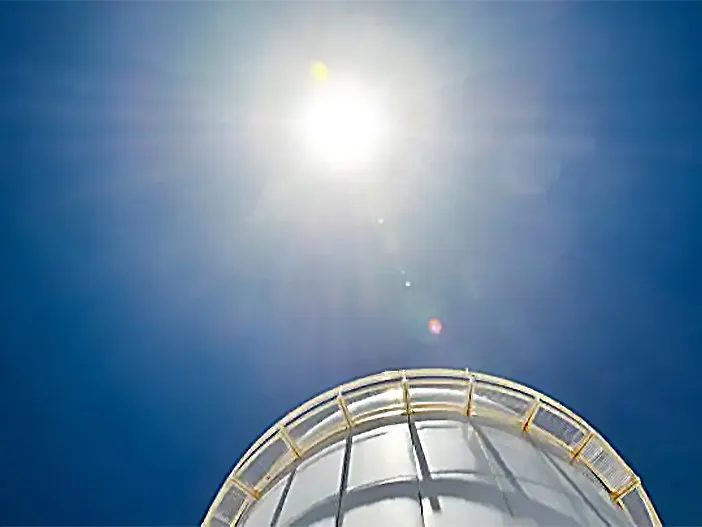
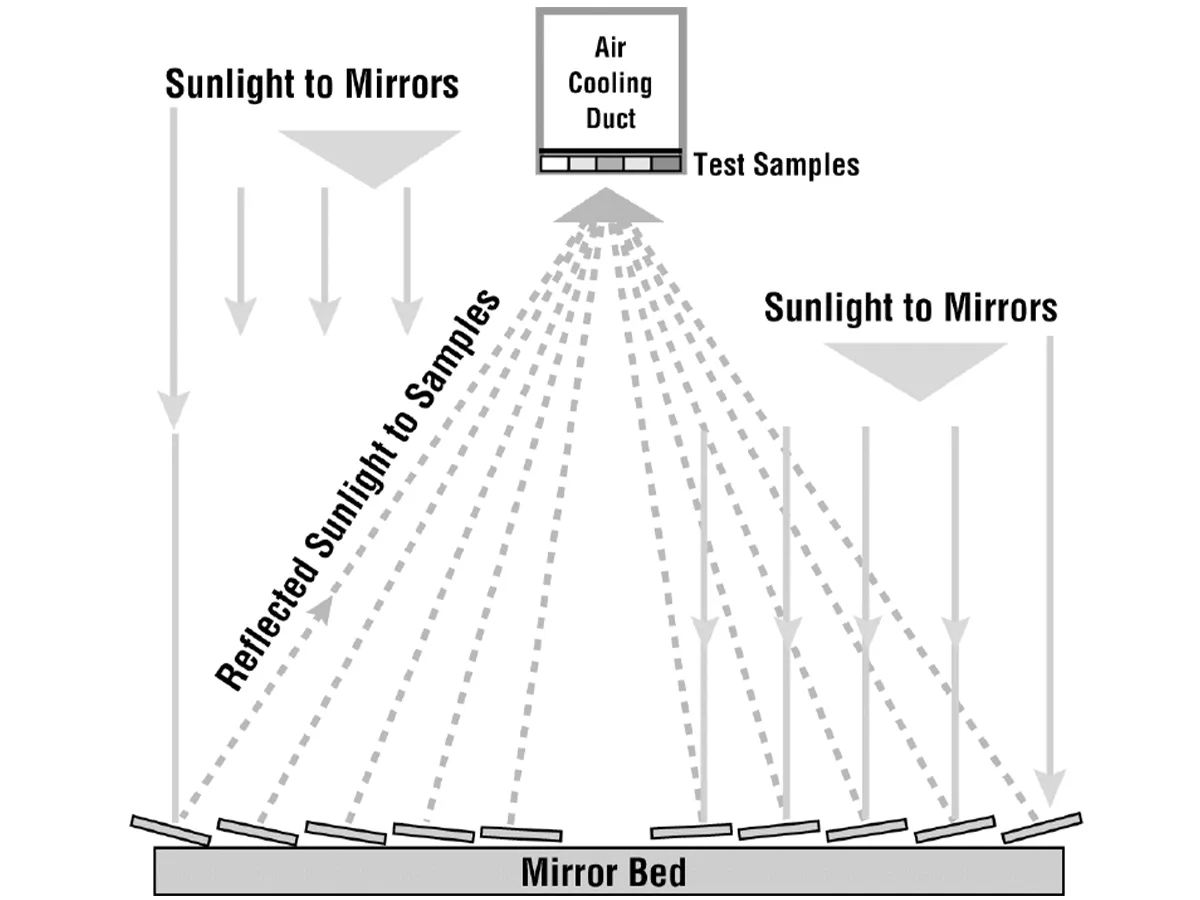
Tests for Coil Coatings
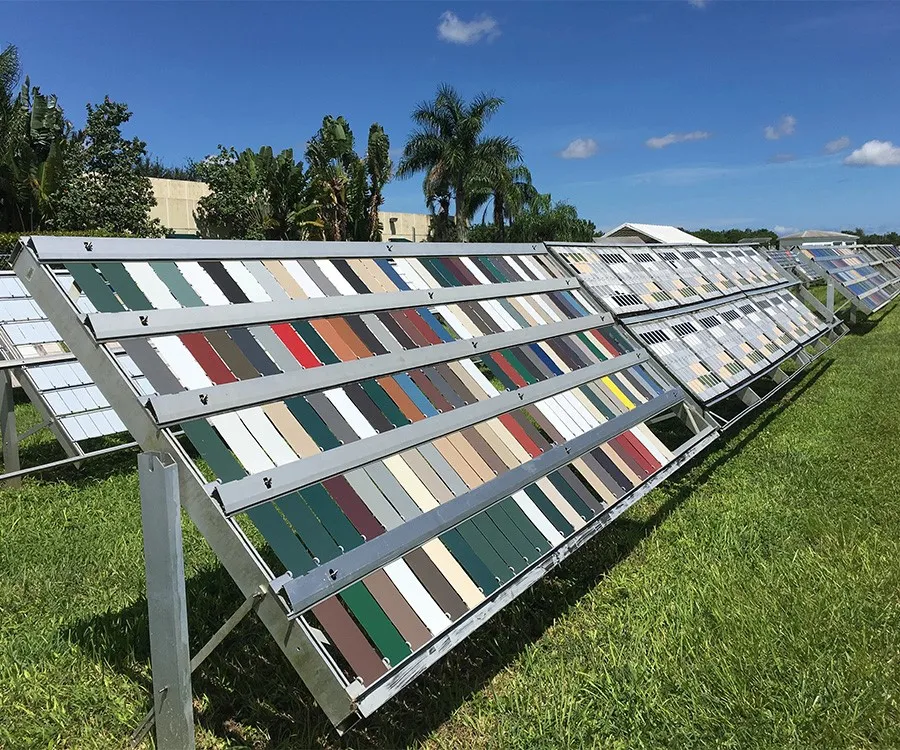
The durability of a color coated aluminum coil depends greatly on the quality of the coating system applied to its surface. At Hanchen Metal, our coils are finished with PE coating, HDP coating, and PVDF coating that come from leading paint suppliers. These coating systems are not only developed with advanced resin technologies but also validated through long-term outdoor exposure tests in Florida and Arizona, the two global benchmarks for weathering performance.
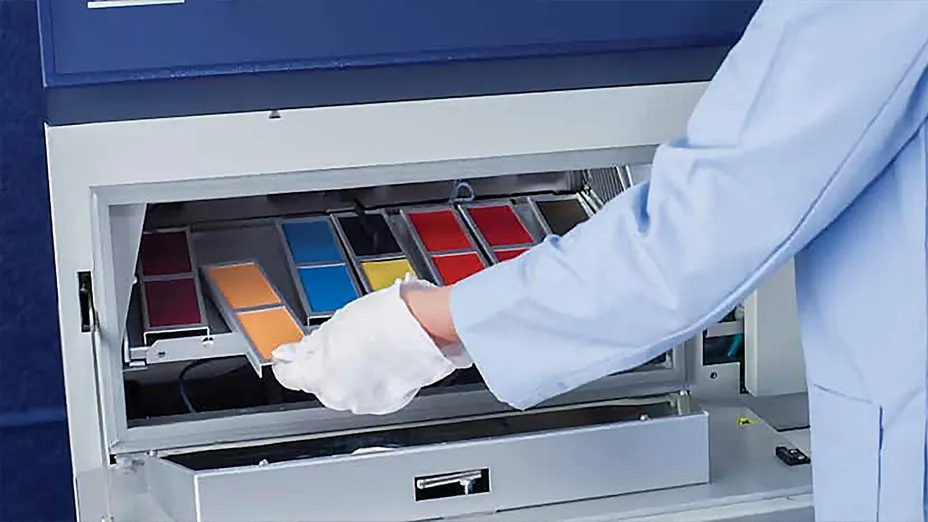
Outdoor Weathering in Coil Coating Performance
The main forces behind coating degradation are UV radiation, high temperature, and moisture. Research confirms that these factors act together: sunlight initiates surface breakdown, heat accelerates the chemical reactions, and moisture promotes chalking, blistering, or mildew growth. While laboratory chambers can accelerate these effects, real-world outdoor exposure is essential to prove that a paint system can withstand years of service life.
Florida Testing: Subtropical Climate and Maximum Moisture Stress
Florida provides one of the harshest subtropical climates for testing coil coatings:
- Sunlight: High UV radiation is present year-round, not just in summer.
- Moisture: Frequent rainfall and high humidity increase the time-of-wetness, encouraging mildew and corrosion.
- Temperature: Surface temperatures on exposed black panels can reach 80 °C under direct sun.
Test data shows that one year of exposure in Florida equals 3–5 years in temperate regions. Paint systems using PE coatings often begin to show chalking within 12–18 months, whereas HDP coatings and PVDF coatings demonstrate much stronger resistance, with PVDF in particular maintaining color and gloss over extended testing periods.
Arizona Testing: Desert Sunlight and Extreme Thermal Cycles
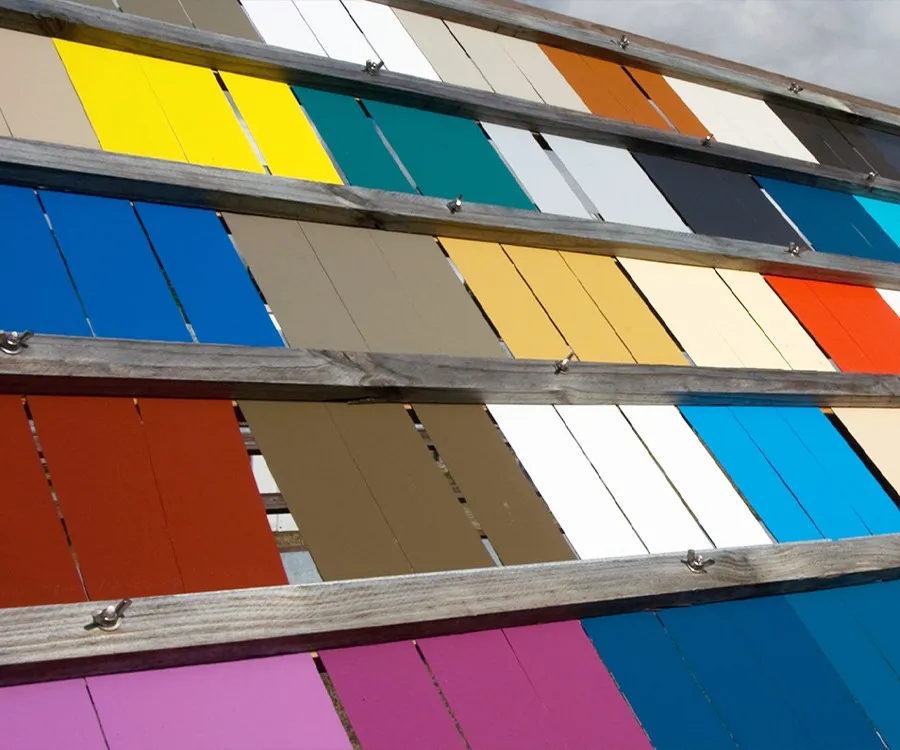
Arizona represents a different but equally severe natural exposure site:
- UV Radiation: Annual UV dosage is 15–20% higher than Florida, due to clear skies and intense direct-beam sunlight.
- Temperature: Air temperatures are typically 15 °C higher than Florida, with black panel temperatures up to 90–100 °C.
- Thermal Stress: Large daily temperature swings (~15 °C) place expansion and contraction stress on coatings.
- Moisture: Extremely low rainfall means coatings are subjected to UV + heat without moisture relief.
In these conditions, PE coatings fade more quickly, while HDP coatings provide better retention. PVDF coatings, thanks to their fluoropolymer chemistry, consistently show the highest resistance to UV and temperature, maintaining appearance even after years of desert exposure.
Together, these two benchmarks provide comprehensive validation that the coating systems used by Hanchen Metal are capable of withstanding a wide range of global environments. Importantly, Q-Lab studies show that 12–24 months of exposure at these sites is sufficient to separate high-performance coatings like PVDF from lower-grade alternatives.
Florida Testing
Demonstrates how coatings resist UV + heat + moisture, replicating tropical and humid conditions.
Arizona Testing
Focuses on extreme UV + high heat + thermal cycling, simulating dry and desert climates.