When it comes to modern construction, decoration, and industrial applications, color coated coils are among the most commonly used materials. Both color coated aluminum coil and color coated steel coil are widely adopted across roofing, cladding, and interior projects. However, for buyers and procurement managers, choosing between the two is not always simple. Beyond price, factors such as durability, maintenance, transport costs, and long-term performance play a critical role. This article provides a clear, professional comparison to help businesses make the right decision.
Color Coated Aluminum Coil vs Color Coated Steel Coil
| Factor | Color Coated Aluminum Coil | Color Coated Steel Coil |
| Weight | Lightweight, easy to transport and install, reduces logistics and labor costs | Heavier, provides strong structural stability but increases transport and installation costs |
| Durability | Highly resistant to corrosion and weathering; lifespan 25–40 years with proper coating | Good strength, but more prone to rust; typical lifespan 10–15 years |
| Coating Options | Flexible choices: PE, HDP, PVDF; customizable in any RAL color with excellent color retention | Multiple coating types available, but performance varies and color fading may occur earlier |
| Aesthetic Value | Smooth, glossy surface with long-lasting decorative effect | Practical appearance, less refined compared to aluminum |
| Cost & Value | Higher initial cost, but lower maintenance and replacement, better long-term ROI | Lower upfront cost, but higher maintenance and earlier replacement may increase total cost |
| Applications | Ideal for curtain walls, roofing, decorative facades, transportation, and packaging | Commonly used in warehouses, factory roofing, structural panels |
| Sustainability | High recycling value, eco-friendly, supports ESG initiatives | Recyclable, but lower scrap value compared to aluminum |
| Best For | Projects requiring durability, aesthetics, and long-term performance | Budget-sensitive or industrial projects requiring heavy-duty material |
Unique Advantages
| Feature | Color Coated Aluminum Coil | Color Coated Steel Coil |
|---|---|---|
| Lightweight and easy handling |  |
 |
| High corrosion resistance | |
|
| Long service life (25–40 years) | |
|
| Smooth, premium surface finish | |
|
| High recycling value (eco-friendly) | |
|
| Strong structural strength | |
|
| Lower upfront cost | |
|
| Suitable for heavy-duty industry | |
|
Material Composition and Weight
One of the most noticeable differences lies in weight. A color coated aluminum coil is significantly lighter than a steel coil, making it easier to transport, handle, and install. In large-scale projects where logistics and labor costs matter, aluminum coils can reduce overall expenses. On the other hand, steel coils are heavier and provide solid structural stability, which is sometimes preferred in industrial or load-bearing applications.
Durability and Weather Resistance
In terms of durability, color coated aluminum coil stands out with its natural corrosion resistance. It performs well in coastal, humid, and high-temperature environments such as Southeast Asia or the Middle East. With coatings like PE, HDP, or PVDF, aluminum coils can maintain their surface quality for 25–40 years with minimal maintenance. Steel coils, while offering good strength, are more vulnerable to rust over time, especially without proper coating protection. For buyers, the choice often depends on whether long service life or immediate cost savings are the top priority.
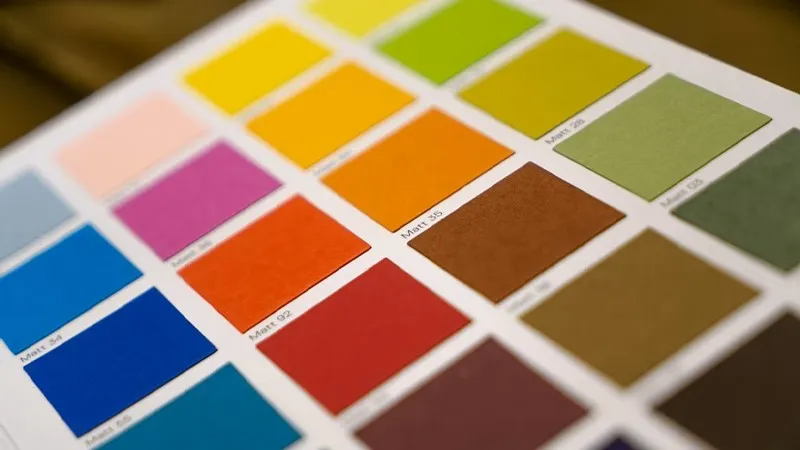
Coating Options and Aesthetic Value
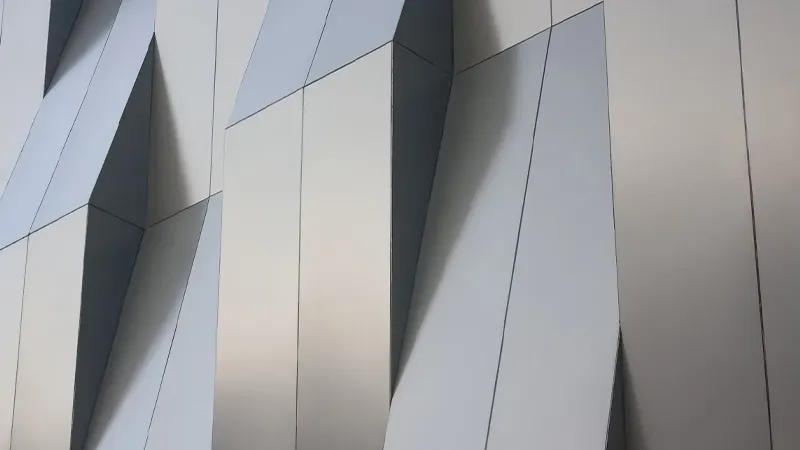
Both aluminum and steel coils come with multiple coating options. A color coated aluminum coil can be customized with PE, HDP, or PVDF coatings and tailored to any RAL color, providing flexibility for architects and designers. Steel coils also offer coating choices, but performance differences are more noticeable, and long-term color retention is not always guaranteed. For procurement teams, ensuring color stability and resistance to chalking or fading is essential, especially for exterior applications.
Cost and Long-Term Value
At first glance, steel coils seem more budget-friendly because of their lower unit price. However, a color coated aluminum coil offers greater long-term value due to reduced maintenance, longer lifespan, and lower replacement costs. Buyers concerned with the total cost of ownership, not just the upfront investment, often find aluminum coils to be the more cost-effective choice over the life of a project.
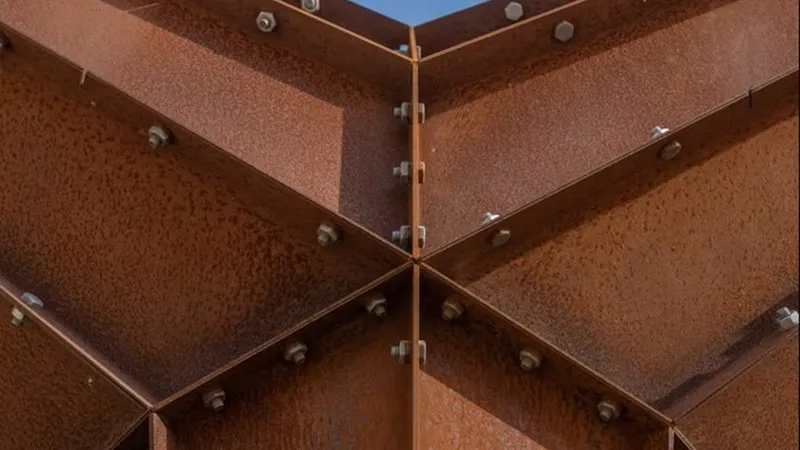
Applications in Different Industries
color coated aluminum coil
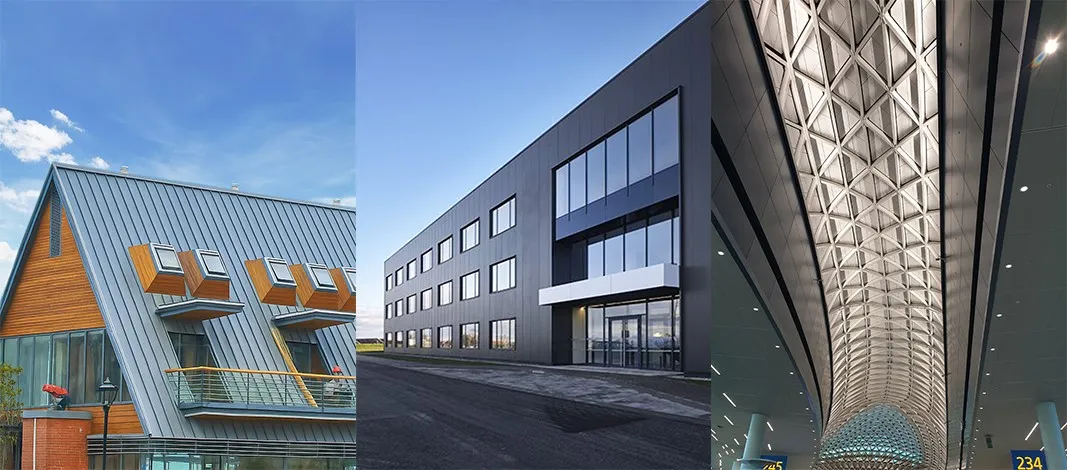
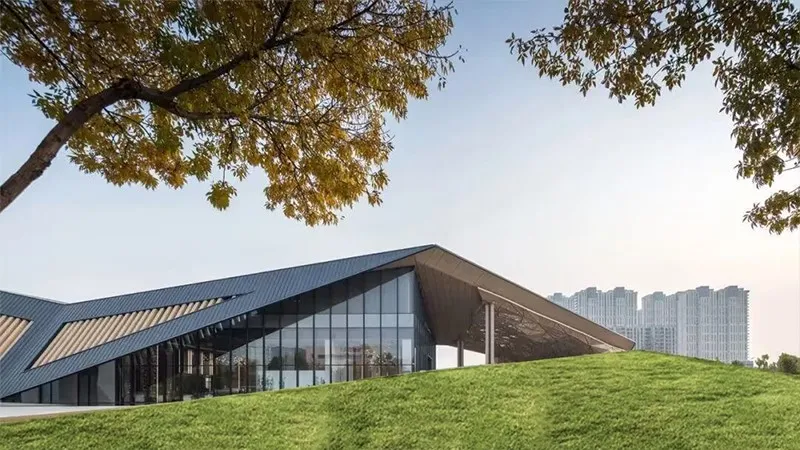
Color coated aluminum coil is widely used in curtain walls, roofing panels, decorative facades, transportation, and even packaging. Its light weight and superior finish make it suitable for both commercial and residential projects.
Color Coated Steel Coil
Color Coated steel coils, on the other hand, are commonly applied in warehouses, factory roofing, and heavy-duty industrial structures. Buyers must evaluate whether their project requires lightweight aesthetics or heavy-duty performance.
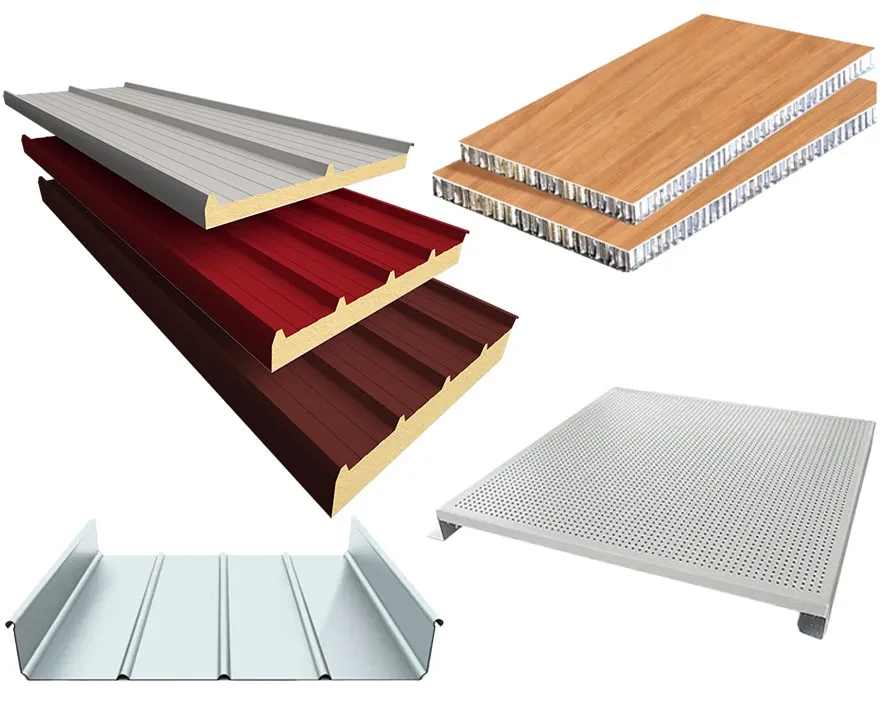
Sustainability is becoming a growing factor in procurement decisions. A color coated aluminum coil has high recycling value and contributes to a greener supply chain. Steel coils are also recyclable but generally have lower scrap value compared to aluminum. For companies focusing on ESG or eco-friendly building solutions, aluminum coils often align better with long-term sustainability goals.