

In modern façade, roofing and sandwich-panel manufacturing, the supply of coated aluminium coil (often called pre-painted aluminium coil or color-coated aluminium coil) is central. The adhesion between the coating and the aluminium base is a critical parameter: inadequate adhesion may lead to peeling, blistering, edge corrosion, early failure of panels and subsequent warranty issues. For ACP (aluminium composite panel), sandwich panel or roofing panel producers, selecting a coated aluminium coil with reliable coating-to-substrate adhesion is both a quality and cost decision.
Mechanisms of Coating-to-Aluminium Substrate Adhesion
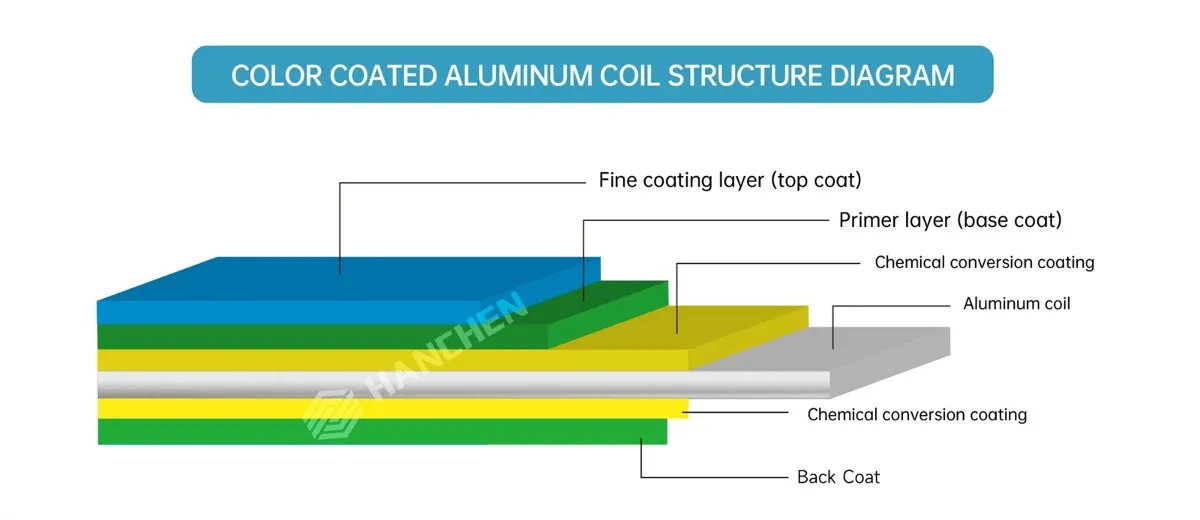
The adhesion of a coating layer to an aluminium substrate in a coated aluminium coil product depends on several mechanisms:
Chemical conversion layer
The aluminium base is often converted via an oxide or chemical conversion film (e.g., chromate or non-chromate pretreatment) so that the coating resin can bond to the substrate at a molecular or ionic level.
Film integrity / cure
The coating system (primer + topcoat) on a coated aluminium coil must be fully cured, have suitable cross-link density, thickness and flexibility to accommodate forming operations (bending, cutting) without delamination.
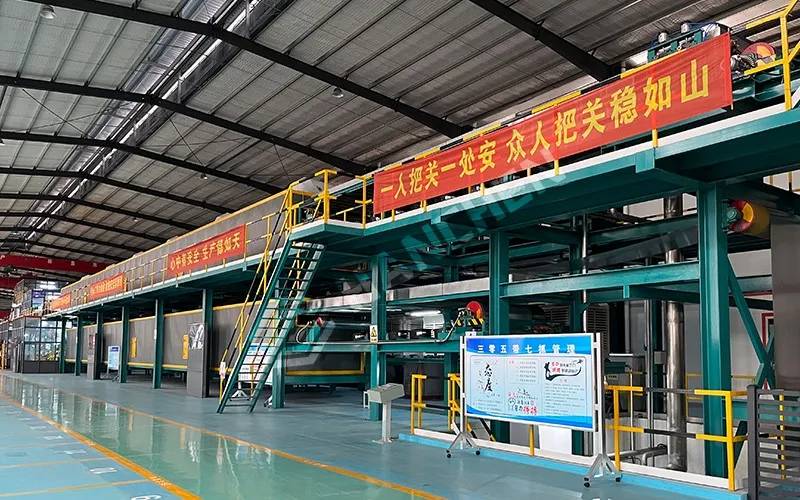
Key Process Steps in Producing Coated Aluminium Coil with High Adhesion
For your manufacturing of ACP panels, sandwich panels or roofing panels, it is vital the coated aluminium coil you procure comes from a production line that assures adhesion performance through these critical steps:
Base aluminium alloy and temper selection
Common alloys for coated aluminium coil in architectural applications include 3003, 3004, 3105 etc. In data published, painted aluminium coil offers adhesive reliability on alloy grade.
01
Surface cleaning and chemical pretreatment
Removal of oil, mill scale, oxide film or residues is essential. Then a conversion coating (phosphating, no-rinse conversion) is applied. Without this, coating adhesion suffers.
02
Coating application & Curing and cooling
The coated aluminium coil process ensures consistent coating thickness, curing, and film formation in a continuous process. This ensures uniform adhesion across the coil batch.
03
Quality control & forming simulation
Since your panels will be bent, slitted, and formed into different shapes, the coated aluminium coil supplier should simulate forming (e.g., T-bend, impact) and verify no adhesion loss.
04
Why Choose Our Coated Aluminium Coil for Your Panel Manufacturing?
We offer a coated aluminium coil solution specifically engineered for ACP panel, sandwich panel and roofing panel producers:
We use commonly accepted architectural aluminium alloys (3003, 3004, 3105) in the proper temper with optimized surface finish for coating adhesion.
Our coil production line uses rigorous surface cleaning, conversion coating, primer + topcoat systems suitable for architectural applications, ensuring high adherence of the coating to the aluminium substrate.
We provide test reports showing ASTM D3359 cross-hatch tape test results with "No removal of film" ratings; impact/ bend tests showing "no loss of adhesion" after forming simulation; and salt spray/humidity exposure results demonstrating coating integrity over 1,000 h+ or more.
Our coated aluminium coil is optimized for downstream operations your plant carries out (folding, slitting, bending, lamination, sandwich-panel fabrication). The proven adhesion allows your panel assembly process to proceed without concern of delamination or peeling at the coating–metal interface.
A coated aluminium coil with high adhesion also supports longer service life for the panels you manufacture. For example, colour-coated aluminium coil with appropriate adhesion and coating system can deliver 15–30 years outdoor performance.
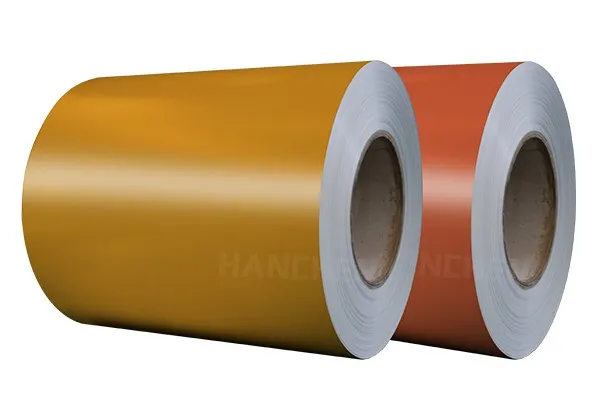
By selecting our coated aluminium coil, you're not simply buying the substrate; you're buying peace-of-mind that your ACP, sandwich or roofing panels will meet the visual, mechanical and durability demands of your customers.