

When you invest in color-coated aluminum coil, you expect long-term performance: reliable corrosion resistance, durable coating adhesion, stable structural strength, and consistent appearance over many years. However, a critical factor that too often goes underappreciated is the alloy grade of the aluminum substrate. Using the wrong alloy grade for color-coated or prepainted aluminum coil can cause premature problems: from coating failure and corrosion to warping or structural instability. This article explains why alloy grade matters for coil-coated aluminum coil, how mismatches can lead to early failures, and what you should check when selecting material for your façade, roofing, or cladding projects.
What Is Alloy Grade And Why Does It Matter for Coil-Coated Aluminum Coil
An alloy grade refers to the specific chemical composition and temper of the aluminum used as the base metal for coil-coated aluminum coil. Aluminum alloys are categorized into series, commonly 1000, 3000, 5000, etc., with each series having distinct characteristics in terms of strength, ductility, corrosion resistance, formability, and surface behavior.
For coil-coated aluminum coil (also called color-coated or prepainted aluminum coil), the alloy grade influences:
how easily the coil can be formed, bent, or shaped during fabrication;
how well the coating adheres to the surface;
long-term resistance to corrosion, oxidation, and weathering;
structural stability under load, wind pressure, thermal cycling, or mechanical stress;
overall durability and appearance over time.
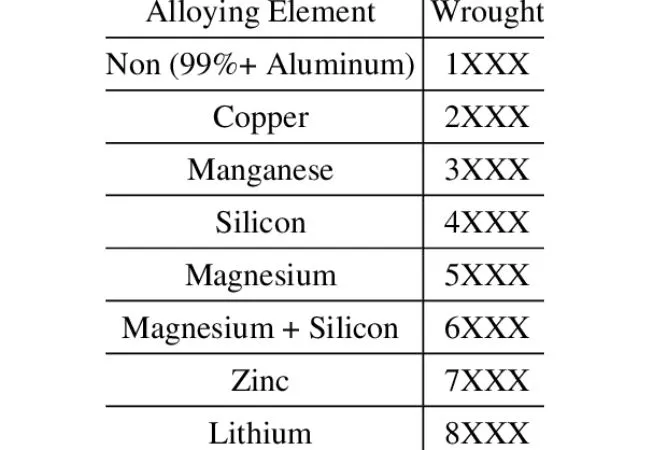
In short, alloy grade is not a minor detail; it is foundational. A mismatch between alloy grade and intended application can undermine even the highest quality coating system.
Common Alloy Grades for Coil-Coated Aluminum Coil - Typical Properties
e.g., 1050, 1060, 1100. These alloys are very high in aluminum content (typically > 99%) and thus provide excellent corrosion resistance, high ductility, and good formability. Their relative softness and low strength make them suitable for applications where high formability is needed, but structural load is minimal.
e.g., 3003, 3004, 3105. These alloys add manganese (and sometimes minor magnesium or other elements), improving strength and corrosion resistance compared to 1000 series, while retaining good workability and formability. They are widely used for building façades, roofing, siding, decorative panels and general coil-coated aluminum applications.
e.g., 5005, 5052. These alloys offer higher strength, lower density, and enhanced corrosion resistance - especially suitable when the coil-coated aluminum will be exposed to harsh environments (coastal zones, industrial pollution, high humidity) or used in structural or semi-structural panels where rigidity matters.
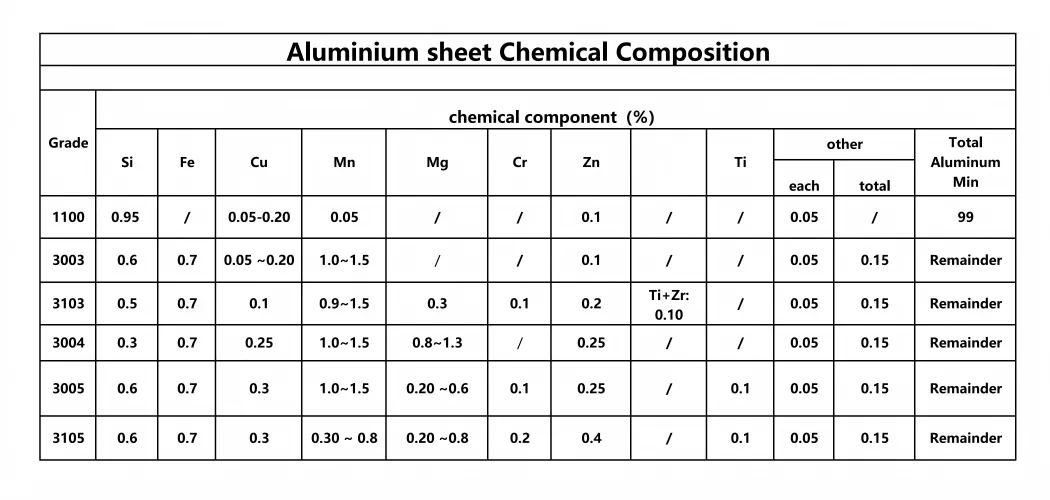
Each of these alloy grades comes with trade-offs. Pure aluminum (1000 series) offers maximum formability and corrosion resistance but lacks strength; 3000 series offers a balanced compromise between strength, formability, and corrosion resistance; 5000 series offers strength and durability but can be more challenging to form at thicknesses or in complex shapes.
How the Wrong Alloy Grade Can Trigger Premature Problems
When the alloy grade does not match the application requirements, you may face a variety of issues, often before you expect them. Below are common pitfalls associated with mismatched alloy grades in coil-coated aluminum coil applications:
Poor Coating Adhesion or Early Paint Failures
A soft, highly formable alloy (e.g., 1050 from 1000 series) may scratch, dent, or deform easily during handling, fabrication, bending, or transportation. These micro-deformations can compromise coating adhesion, leading to peeling, cracking or delamination of the paint or PVDF/PE coating. In contrast, using a high-strength alloy with poor formability may prevent proper pre-treatment and coating adherence, especially if surface preparation is not optimised.
Substrate Corrosion Despite Coating
Even the best coatings eventually form small defects (pinholes, micro-cracks, edge zones), and if the underlying alloy lacks adequate corrosion resistance, environmental stress (humidity, salt air, industrial pollution) can cause corrosion under coating. For example, in coastal or high-salinity environments, a 3000 series coil may not perform as well over decades compared to a 5000 series alloy with stronger resistance to salt-induced corrosion.
Structural Issues: Warping, Cracking, Fatigue
When coil-coated aluminum coil is used for façades, cladding, roofing or architectural panels that carry load, resist wind pressure, or undergo thermal cycling, structural integrity matters. A weak alloy may flex, warp, or deform under stress - resulting in visible distortion, misalignment, or failure. Conversely, using too rigid an alloy can lead to cracking under cyclic stress if not properly tempered or processed.
How Working with a Trusted Supplier Minimizes Risk
Choosing the right alloy grade is critical - but only effective if your supplier is reliable. A credible coil-coated aluminum coil supplier should:
clearly declare the alloy grade and temper (e.g., 3003-H24, 3105-O, 5052-H14, etc.);
provide material test certificates or mill test reports (chemical composition, mechanical properties, temper designation);
advise on the most suitable alloy grade for your specific application (façade, roofing, coastal exposure, high humidity, structural vs decorative);
strictly control pre-treatment, coating, curing, and quality assurance processes to ensure coating adhesion, surface finish, and substrate integrity;
offer transparency around coating system (e.g., PVDF, PE, FEVE), film thickness, expected coating performance, warranties, etc.
At the end of the day, a high-quality coil-coated aluminum coil is the result of both appropriate base material (right alloy grade) and precise processing/coating.

Ready to get the right coil-coated aluminum coil for your project?
Request a Quote from Hanchen Metal Now