

When evaluating preâpainted aluminum coils (also known as colorâcoated aluminum coils), cost is rarely determined by a single factor. Buyers must consider a combination of material properties, coating systems, supplier capabilities, and long-term value. Understanding these aspects helps make informed decisions when comparing different suppliers and coating options.
The alloy grade of the aluminum coil plays a fundamental role in its price. Common grades include 1050, 1100, 3003, 3004, and 5052 etc., each varying in strength, corrosion resistance, and cost. The temper (O, H12, H24, etc.) affects mechanical properties and formability, which can influence pricing. Choosing a higher-grade or specialized alloy may increase the initial cost of the preâpainted aluminum coil, but it often delivers better durability and performance in the long run.
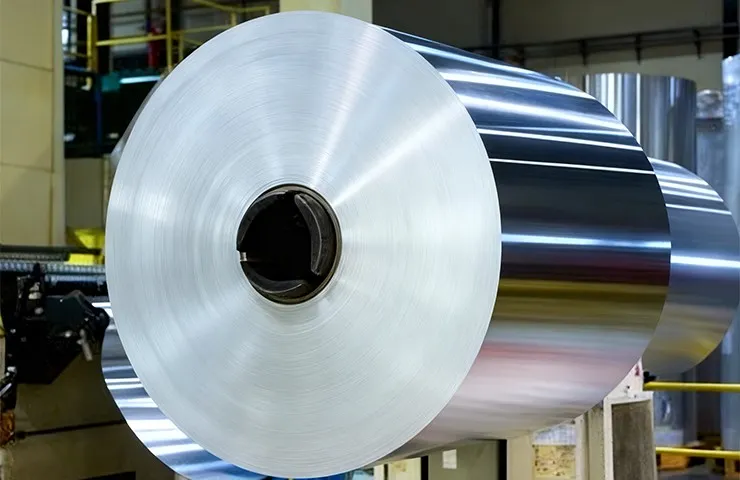
Coil Dimensions and Order Size
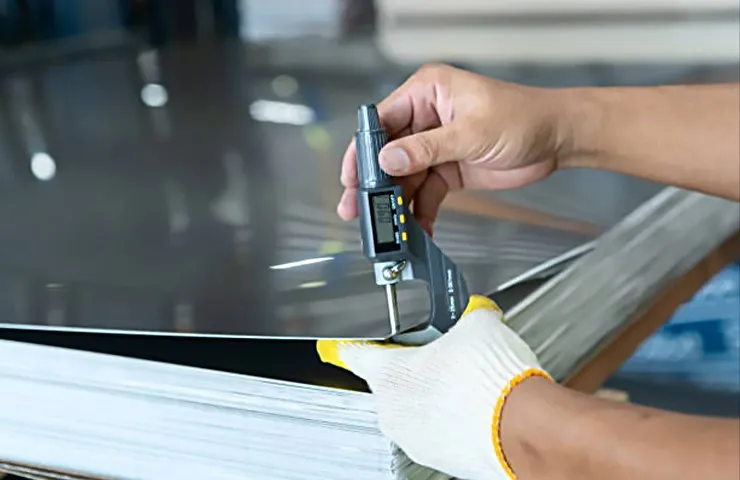
Coil dimensions, including thickness, width, and total weight, also impact pricing. Thicker coils require more raw material, raising cost, while ultra-thin coils may demand careful handling and higher process costs. Wider coils increase material usage and production complexity. In addition, order size and minimum order quantity (MOQ) affect per-unit cost. Larger orders typically benefit from economies of scale, while small-lot orders may carry a premium due to setup and material waste.
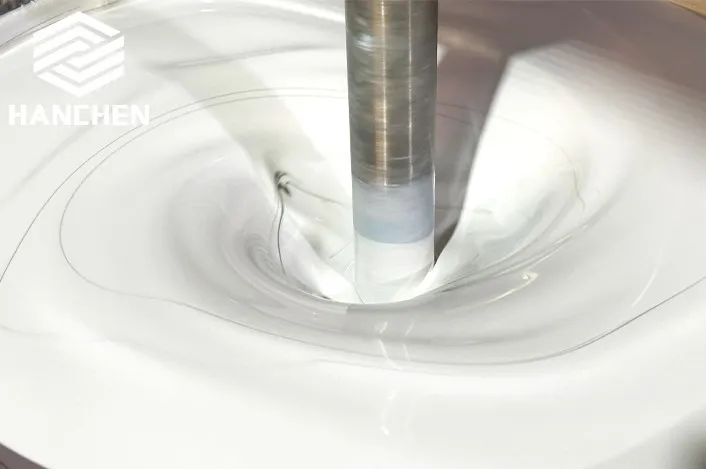
The choice of coating system is one of the most significant factors affecting the price of preâpainted aluminum coils. Basic polyester (PE) coatings offer cost-effective solutions with adequate durability, while silicone-modified polyester (SMP) provides better weather resistance and gloss retention. Premium PVDF (polyvinylidene fluoride) coatings are highly UV-stable, maintain color longer, and are often preferred for architectural applications. Within each system, coating thickness, number of primer/backer layers, and curing quality directly influence cost.
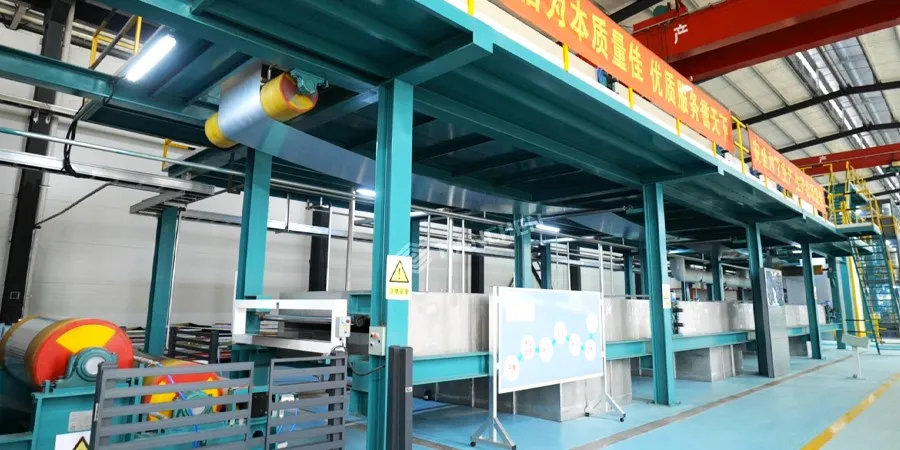
Before painting, aluminum coils typically undergo chemical pretreatment to enhance adhesion and corrosion resistance. The type and quality of this pretreatment, along with the desired surface finish-whether smooth, matte, gloss, wood-grain, stone-grain, or embossed-can increase manufacturing complexity and material cost. Custom finishes, including textures or mirror effects, add additional processing time and expense.
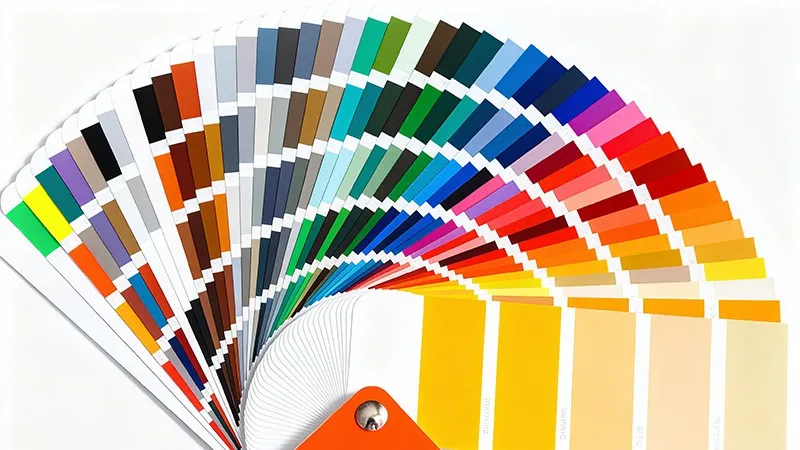
Color selection is another cost driver. Standard RAL colors like white, grey, and silver are generally economical. Custom RAL shades, metallic finishes, or wood-grain effects may require more paint, specialized equipment, and additional quality control, increasing the overall price. Furthermore, the back-coating on the reverse side of the coil, if specified for high performance, contributes to additional cost.
Quality Control and Supplier Capabilities
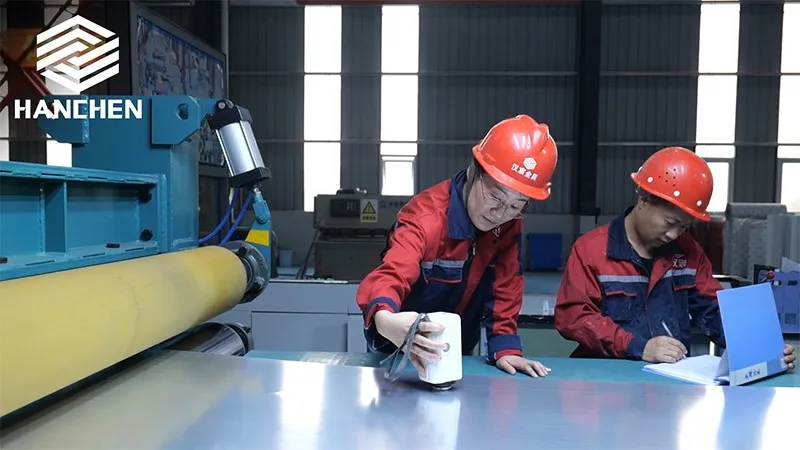
Higher-quality preâpainted aluminum coils are produced under strict quality control, including tests for film thickness, adhesion, gloss, and color consistency. Warranties covering color retention or chalk resistance indicate higher-grade coating systems and more rigorous manufacturing processes. Supplier capabilities-including production line sophistication, scale, lead times, and packaging-also influence cost. Advanced coil-coating lines can deliver more consistent quality but may be priced higher, whereas large-scale suppliers can leverage economies of scale to offer competitive pricing.
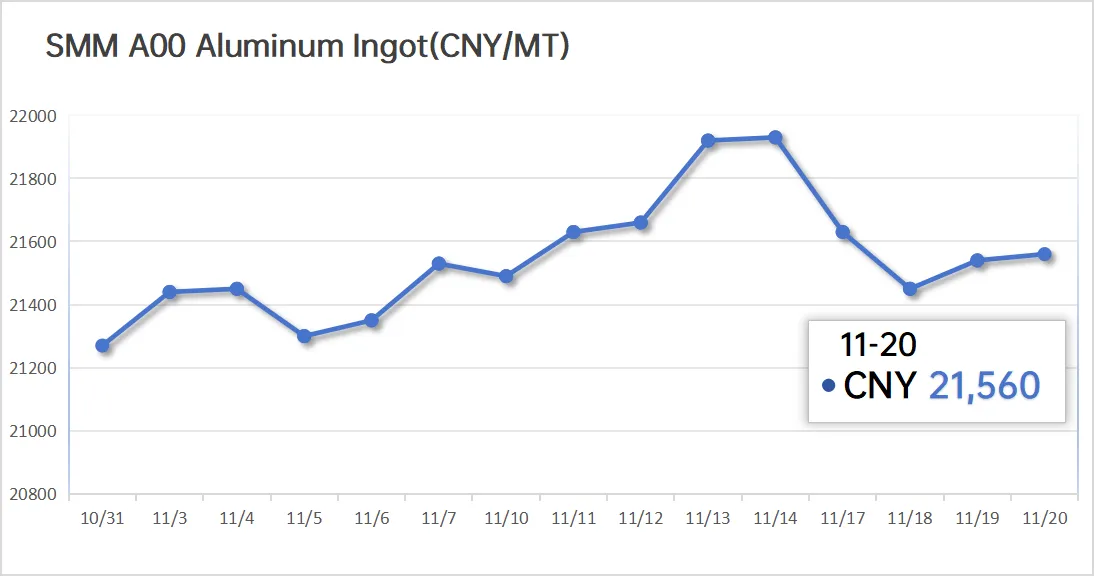
External factors, such as raw material prices, trade policies, tariffs, and currency fluctuations, directly impact the landed cost of preâpainted aluminum coils. While the unit price is important, buyers should also consider the total cost of ownership (TCO). Durability, maintenance, replacement frequency, and fabrication ease can make a higher initial investment more economical over the long term. A premium PVDF-coated coil may last decades without significant maintenance, while a lower-cost PE-coated coil may require earlier replacement or frequent repainting.

If you are sourcing preâpainted aluminum coils / colorâcoated aluminum coils for architectural, roofing, or interior applications, contact Hanchen Metal today. Our technical team can help you select the optimal alloy, temper, and coating system (PE, SMP, PVDF, or custom finishes) to meet both performance and budget requirements. Get a custom quote now and ensure your project achieves lasting quality and durability.