

When designing large-scale exterior façades, choosing the right cladding material can greatly influence durability, visual consistency and long-term maintenance costs. Two common options are coil coating aluminum coil (pre-painted aluminum coil) and powder coating aluminum sheets. While powder coating sheets may be suitable in some contexts, coil coating aluminum offers significant advantages for large exterior wall panel applications. This article examines those advantages in depth, helping architects, developers and contractors make informed decisions when specifying façade cladding.
Understanding the Technologies: Coil Coating vs Powder Coating
What is Coil Coating Aluminum (Pre-Painted Aluminum Coil)?
Coil coating aluminum refers to aluminum coil that has been coated in a continuous industrial process before any cutting, slitting or forming. In this process, liquid organic coatings (often multi-coat systems such as PVDF or high-durability topcoats) are applied to the flat coil, then cured in an oven. This method yields a highly uniform finish with consistent color, gloss, and coating thickness across the entire coil. The finished coil can later be slit, cut, bent, or shaped into panels while preserving the coating quality and appearance. This versatility and consistent finish make coil coating aluminum coil especially suitable for architectural cladding and exterior wall panels.
What is Powder Coating Aluminum Sheet?
Powder coating aluminum sheet involves forming aluminum into sheets or panels, then applying a dry polymer powder coating. After application via electrostatic spray, the parts are heated in an oven to cure the powder into a hard, protective surface. Powder coating provides a relatively thick and durable finish, with good resistance to abrasion, scratching, and moderate weather. Because powder coating uses no solvents, it usually emits low levels of volatile organic compounds (VOCs), making it environmentally friendlier than some wet-paint finishes.
However, since powder coating is applied after forming and shaping, its uniformity across large numbers of sheets can vary. Different batches or spraying conditions may lead to slight differences in coating appearance or thickness. Additionally, once coated, the sheet's shape is finalized, which may limit flexibility if further cutting or bending is required on-site.
Why Coil Coating Aluminum Is Often the Better Choice for Large Exterior Wall Panels
Uniform Appearance and Color Consistency
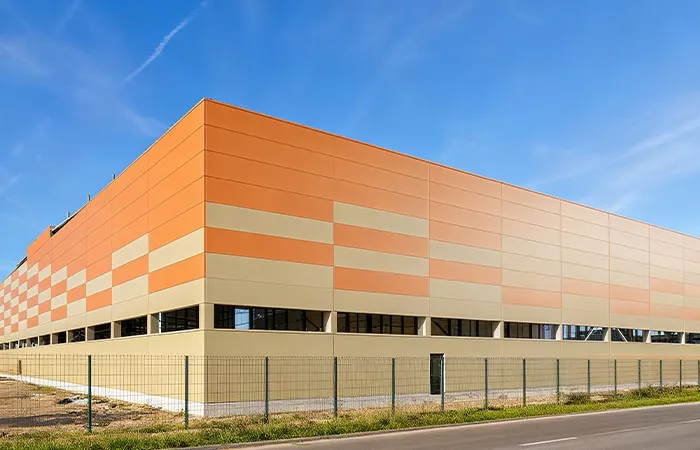
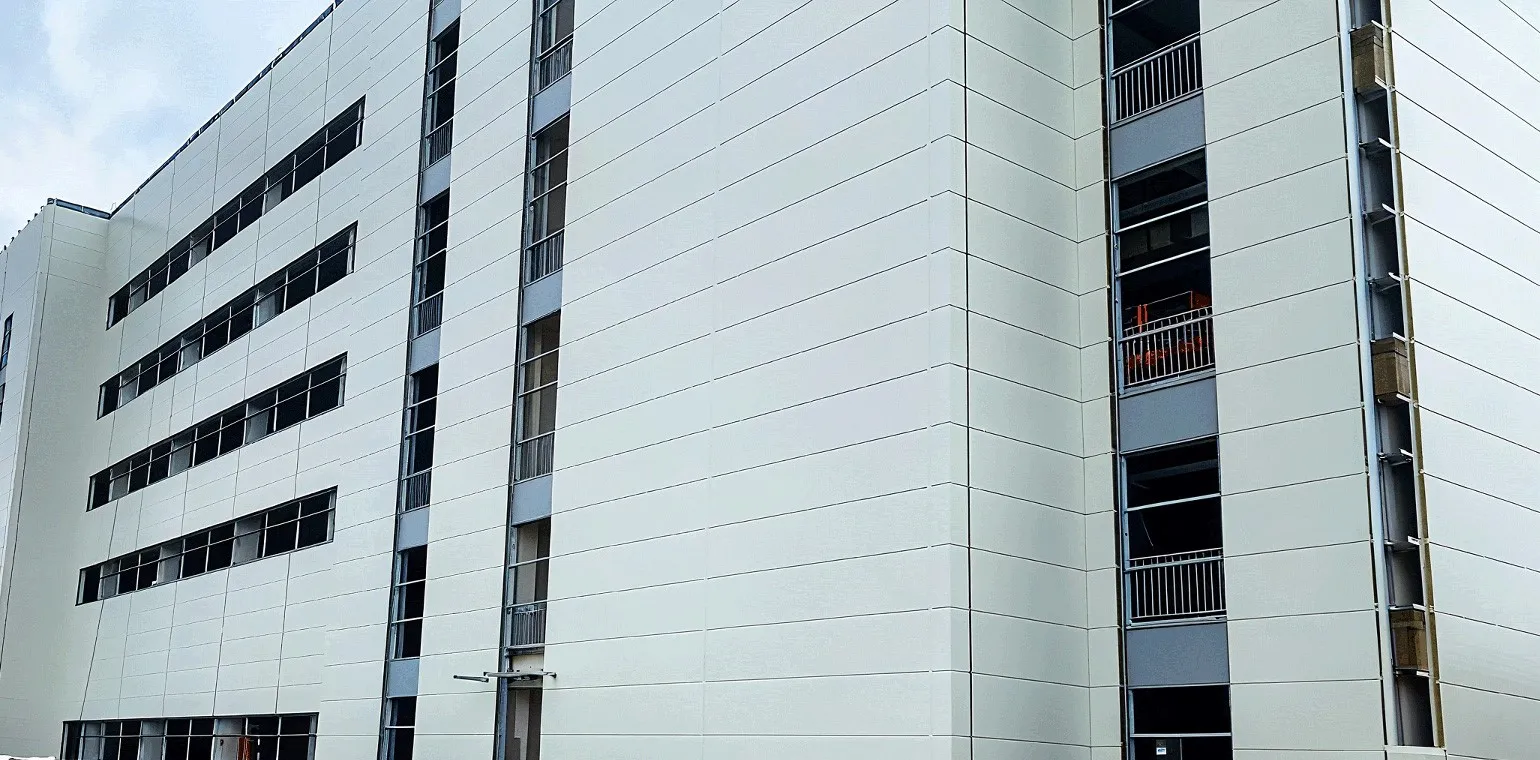
Large building façades often span hundreds or thousands of square meters. In such cases, visual uniformity is critical. Because coil coating aluminum coil is coated in one continuous process under tightly controlled conditions, every meter of material receives the same coating. That results in consistent color, gloss, and coating thickness across the entire façade. This kind of consistency is difficult to achieve with powder coating sheets, especially when multiple batches, different spraying times or different ovens are involved. Minor variation in color or gloss between sheets can become very obvious once panels are installed side by side. Coil-coated aluminum avoids this problem by ensuring the same finish from start to finish.
Flexibility and Lower Risk of Coating Damage
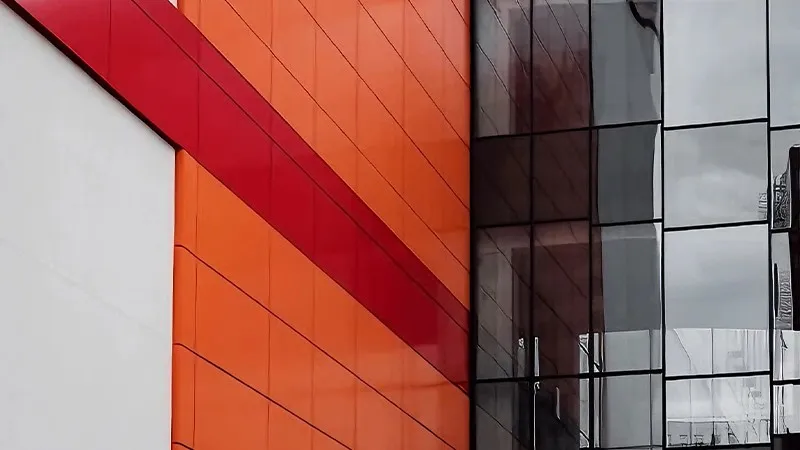
Because the coating is applied before any shaping, coil coating aluminum coil retains good adhesion and flexibility. After coating, the coil can be cut, slit, bent, folded, drilled or shaped into custom profiles, and the coating remains intact without cracking or peeling. This flexibility is a major advantage when exterior panels must be shaped to fit corners, cutouts, or custom designs. By contrast, powder coating sheets are more rigid once coated. Bending or reworking such sheets can lead to coating cracking or chipping, which compromises both the appearance and protective qualities. For façades needing custom shaping or on-site adjustments, coil coating aluminum coil is a far safer bet.
Lightweight and Reduced Structural Load
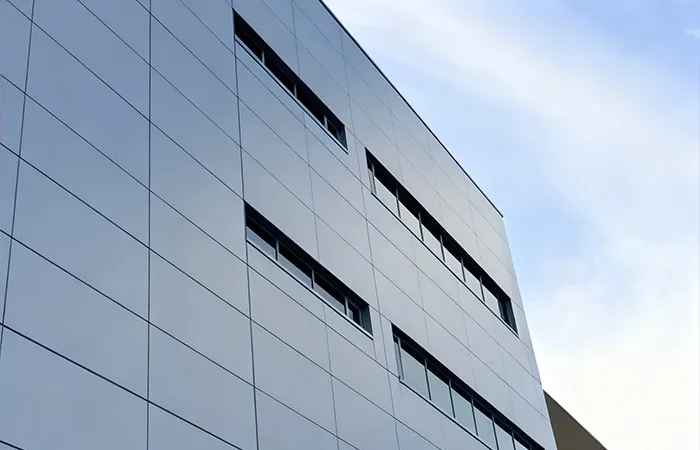
Aluminum itself is lightweight compared with many other building materials. When used as coil coating aluminum coil, this lightweight nature is preserved and combined with a durable, uniform coating. For high-rise buildings or large façade installations, reducing the dead load can lead to simpler supporting structures, easier installation, and lower structural costs overall. Handling, transporting and installing lightweight aluminum panels is more efficient than heavier cladding alternatives. For large-scale exterior wall systems, this can translate into significant savings in both labor and structural design.
Long-Term Weather Resistance, Corrosion Resistance
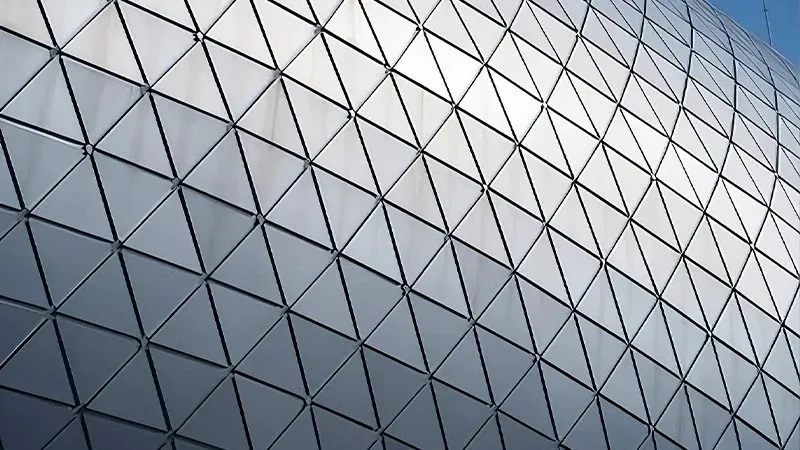
High-quality coil coating aluminum coil typically uses advanced coatings (such as PVDF or other weather-resistant finishes). These coatings resist ultraviolet radiation, rain, pollution, temperature extremes and chemical exposure. Over decades, the panels maintain their color, gloss, and protective surface with minimal fading, chalking or corrosion. Exposure to the elements (sun, rain, industrial atmosphere) does not easily degrade the coating if a proper coil coating system is used.
Cost Efficiency and Lower Total Lifecycle Cost
For projects involving large façades or many panels, coil coating aluminum coil tends to be more cost-effective over the full project lifecycle. Since the coil coating process is continuous and automated, production efficiency is high and waste is minimized. Material cost per square meter often becomes more favourable for large quantities. Additionally, because coil coating panels can be fabricated on demand (cutting, bending, shaping) without compromising coating quality, there is less need for special-order custom panels. When considering material cost, fabrication, installation, maintenance and long-term durability, coil coating aluminum often delivers better total cost-of-ownership compared with powder coating sheets.
For large-scale exterior wall panels and architectural façade projects, coil coating aluminum coil (pre-painted / color-coated aluminum coil) generally represents a superior choice compared with powder coating aluminum sheets. It offers consistent finish across large areas, excellent fabrication flexibility, lightweight structural advantages, long-term weather and corrosion resistance, and lower total lifecycle cost. Although powder-coated sheet may still be suitable for small components or decorative parts, for major façade installations requiring uniform appearance, durability and ease of installation, coil coating aluminum coil delivers clear benefits.