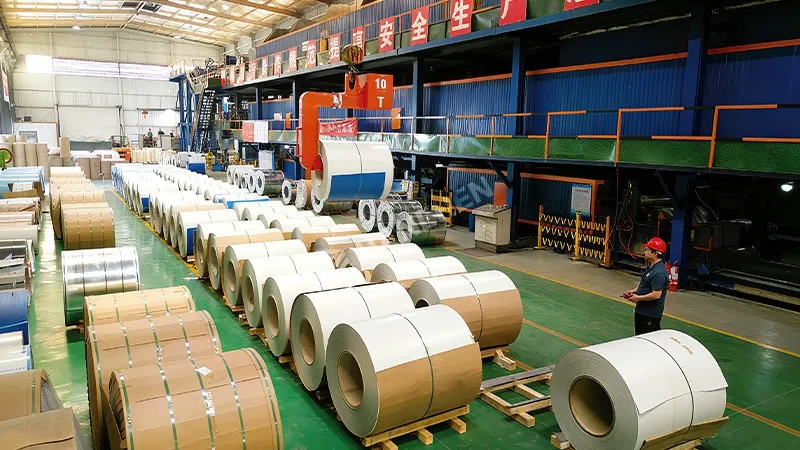
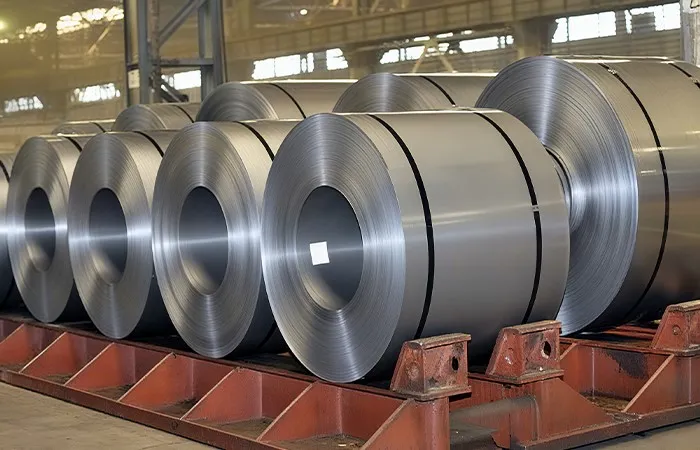
In today's architectural and construction industries, pre-painted aluminum coil (also known as color-coated aluminum coil or PPAL) has become one of the most preferred materials for producing ACP panels, sandwich panels, and roofing systems. Its superior durability, excellent formability, and long-term aesthetic performance make it a highly competitive alternative to galvanized or coated steel. This article summarizes verified laboratory data, industrial test results, and real project applications to demonstrate why pre-painted aluminum coil is the optimal choice for professional manufacturers.
Proven Weather Resistance and Coating Durability
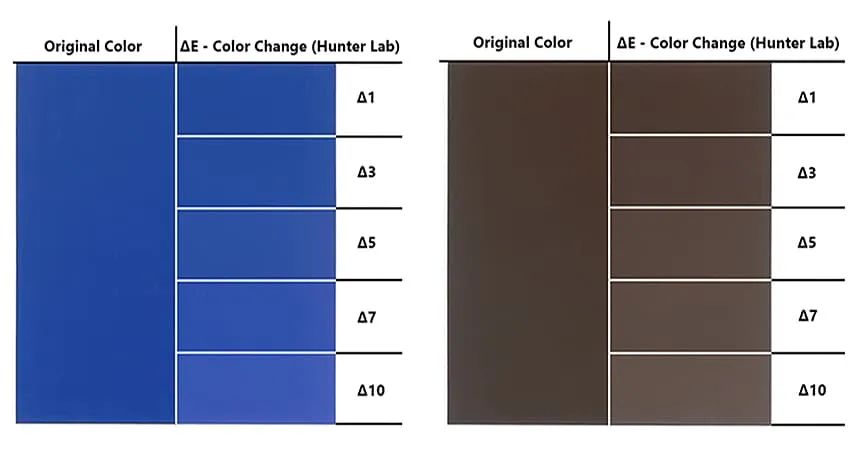
High-performance pre-painted aluminum coil typically adopts PVDF (polyvinylidene fluoride) coating systems. According to AAMA 2605, premium PVDF coatings, often based on 70% Kynar 500®, must retain at least 50% gloss, maintain a color change (ΔE)≤5 after 10 years of Florida exposure, and exhibit a chalk rating ≥8.
Laboratory accelerated QUV and salt spray tests have confirmed that PVDF-coated aluminum achieves ΔE ≤ 3-5 even after 10 years of simulated outdoor exposure. The typical coating structure includes:
- Topcoat: 20 – 30 μm (0.8 – 1.2 mil)
- Backcoat: 5 – 10 μm (0.3 – 0.4 mil)
This ensures long-term UV resistance and minimal color fading, making it a key factor for ACP and façade manufacturers that require a consistent panel appearance across large façades.
Structural and Processing Advantages
Aluminum's intrinsic density (≈ 2.7 g/cm³) is only one-third that of steel. As a result, using pre-painted aluminum coil can reduce panel weight by up to 60% compared with color-coated galvanized steel.
In fabrication, aluminum offers excellent elongation (≥ 10%) and low spring-back, allowing easy bending, punching, and forming without cracking the coating. This characteristic helps ACP and sandwich panel producers achieve higher yields and lower scrap rates, especially in continuous lamination or roll-forming processes.
Corrosion Resistance and Long-Term Value
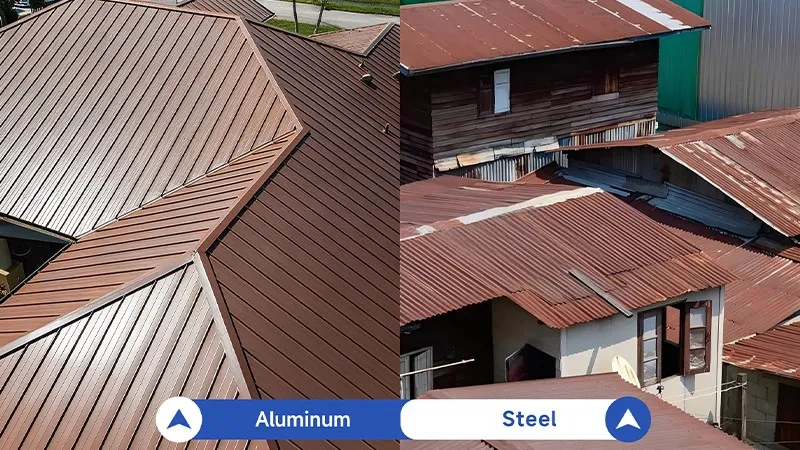
Unlike steel, aluminum does not rust. Its natural oxide layer provides inherent corrosion protection, while the additional PVDF coating greatly enhances chemical resistance. Independent lab studies show that pre-painted aluminum coil can endure > 2,000 hours of salt spray exposure (ASTM B117) without blistering or edge creep, a performance that easily exceeds conventional coated steel.
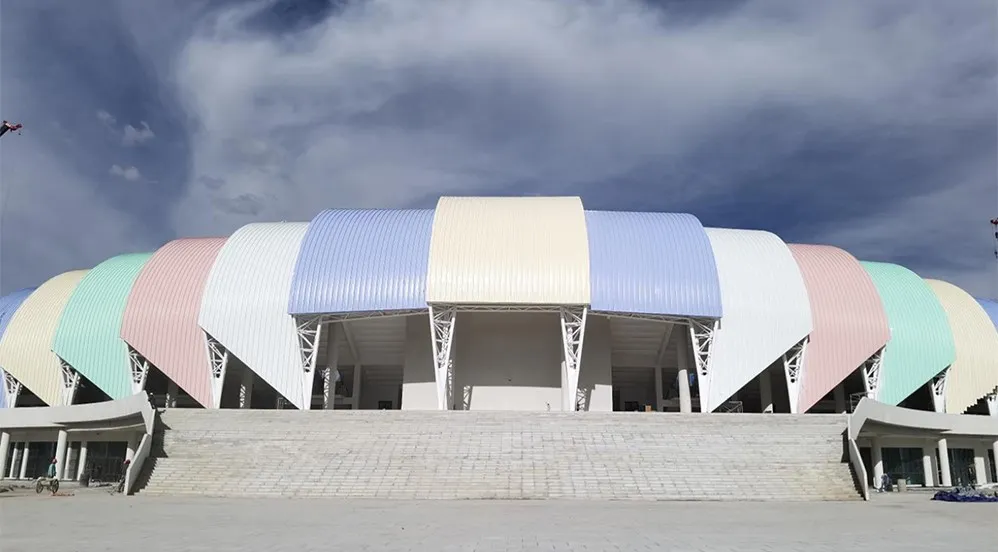
In real projects such as airport terminals, shopping malls, and commercial façades, PVDF-coated aluminum panels have demonstrated service lifespans exceeding 20 years with minimal maintenance. Compared to coated steel, maintenance costs (cleaning, repainting, or panel replacement) can be reduced by 30% – 40% over the building life cycle.
Sustainability and Life-Cycle Efficiency
Sustainability is a major advantage of pre-painted aluminum coil. Aluminum has a recycling rate above 90%, and its remelting requires only 5% of the energy needed for primary production. In a full Life Cycle Assessment (LCA), aluminum-based ACP or sandwich panel systems show a significantly lower carbon footprint and higher long-term material recovery rate than galvanized steel alternatives.
For manufacturers, using pre-painted aluminum coil directly supports green building for material efficiency and recyclability.
Verified Performance in Real Projects
Case studies from global airports and high-end commercial complexes show consistent results: PVDF-coated pre-painted aluminum coils maintain color uniformity, resist chalking and staining, and can be easily repaired or replaced without visual mismatch.
Leading suppliers provide full batch inspection reports, including:
- Coating thickness (μm/mil)
- Color tolerance (ΔE)
- Adhesion (ASTM D3359)
- Gloss retention
- Salt spray and humidity test results
Recommendations for Panel Manufacturers
To ensure consistent quality and durability, professional buyers should:
- Specify PVDF-grade coils meeting AAMA 2605 or equivalent standards.
- Request batch inspection certificates (ΔE, gloss retention, adhesion, salt spray).
- Verify coating thickness: topcoat ≥ 20 μm and backcoat ≥ 5 μm.
- Evaluate supplier traceability and recycling declarations for sustainability reporting.
- Conduct field exposure or accelerated testing for region-specific conditions (e.g., coastal or industrial environments).